Electrical fires are sneaky, fast, and unforgiving. One tiny spark behind a wall or inside a machine can turn into a dangerous blaze in seconds. And for Southland and Central Otago businesses—whether you’re running a café in Clyde, a workshop in Invercargill, or a commercial site in Cromwell—knowing how to control an electrical fire could be the difference between a close call and a major disaster.
So let’s break it all down clearly, simply, and in a way that helps you protect your people and your business.
Why Electrical Fires Are Different
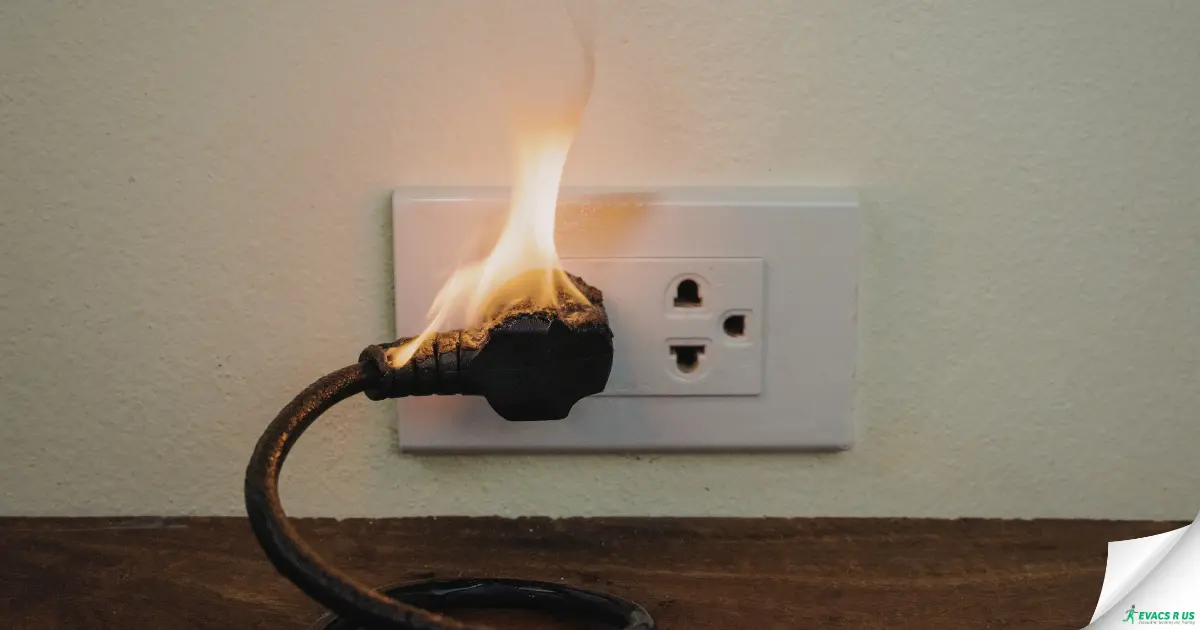
Electrical fires aren’t like regular fires. You can’t throw water on them… unless you want to make the situation worse. Electricity changes the rules. That’s why choosing the right fire extinguisher isn’t optional—it’s essential.
Common Causes of Electrical Fires in Local Workplaces
Most electrical fires start from everyday issues you might not even notice:
- Overloaded power boards
- Dust build-up inside appliances
- Faulty wiring in older buildings
- Overheated machinery, damaged extension leads
Pretty relatable, right? Every business has at least one of these lurking somewhere.
Signs Your Electrical System May Be Unsafe
If you spot any of these, take action:
- Flickering lights
- Burning or “hot plastic” smells
- Outlets warm to the touch
- Frequent breaker trips
Think of it as your building trying to tell you something before things escalate.
What Type of Fire Extinguisher Do You Need for Electrical Fires?
In New Zealand, we follow a simple rule: use an extinguisher with an E-rating for electrical fires. If it’s not rated for electrical equipment, don’t touch it.
Why the Dry Chemical Extinguisher Is the Go-To Option
For most workplaces, a Dry Chemical Powder (DCP) extinguisher is the safest, most effective choice. Here’s why:
- It works on electrical fires AND flammable liquids
- It knocks down flames fast
- It’s widely available and affordable
- It’s perfect for workshops, offices, retail stores, and industrial sites
If you’re only going to have one extinguisher type, make it this one.
CO₂ Extinguishers: When They’re Useful
CO₂ extinguishers are brilliant for:
- Computer rooms
- Server cabinets
- Sensitive electronics
- Kitchens using electric appliances
They leave no residue, which means no messy cleanup or damaged equipment. But they’re not ideal outdoors, as the gas blows away quickly.
How to Use an Electrical Fire Extinguisher Safely
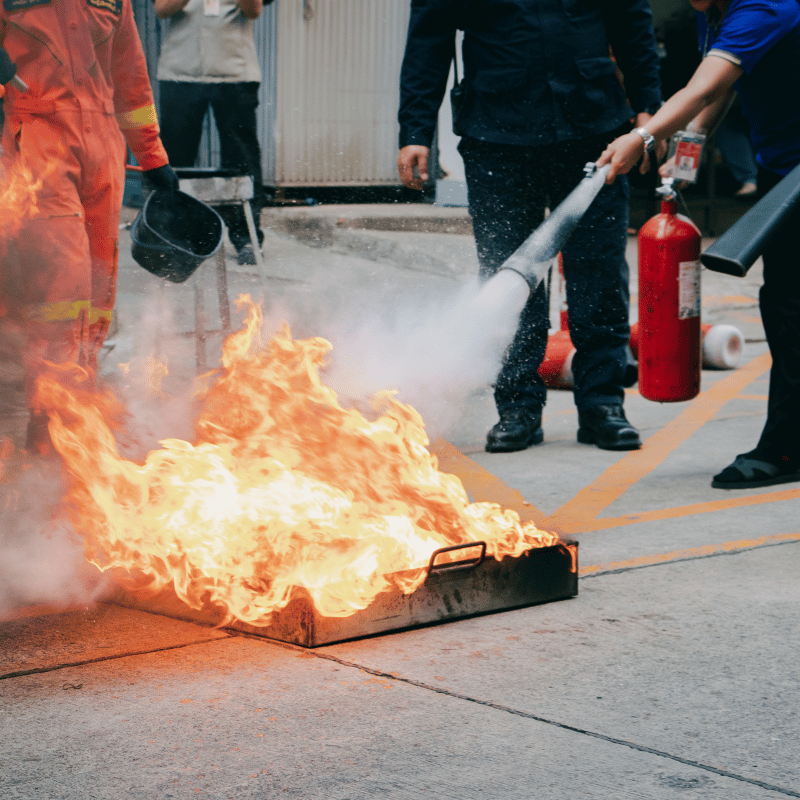
Even the best extinguisher won’t help if no one knows how to use it. That’s why fire training matters—your team needs the confidence to act quickly and safely.
The PASS Method Made Simple
Here’s the easiest way to remember how to use one:
- P – Pull the safety pin
- A – Aim at the base of the fire
- S – Squeeze the handle
- S – Sweep side to side
Think of it like wiping crumbs off the bench—smooth, steady, and controlled.
When NOT to Fight a Fire
This part is crucial. NEVER try to put out a fire if:
- The flames are spreading rapidly
- Smoke is filling the room
- You’re unsure what’s burning
- You feel unsafe for even a second
Your safety comes first. Evacuate immediately and call 111.
Knowing how to choose and use an electrical fire extinguisher is one of the simplest ways to increase workplace safety—and reduce risk for your team and your business. Whether you run a small operation in Arrowtown or a busy site in Southland, having the right extinguisher (and the right training) means being prepared when it matters most.
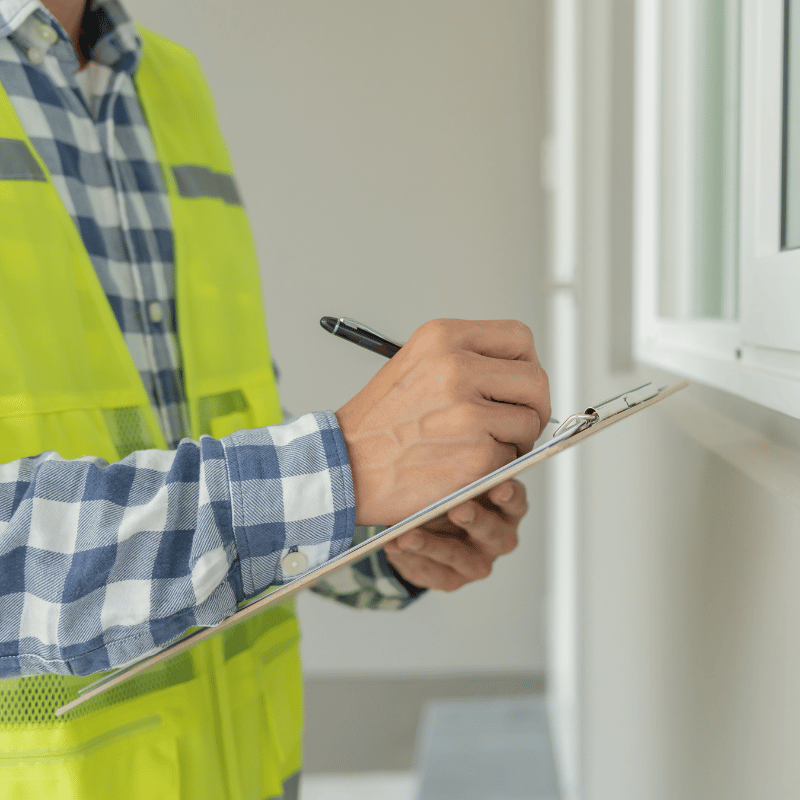
If you’re unsure what type of extinguishers you need—or whether your current setup is compliant—we can help. Our local team supports Southland and Central Otago businesses with practical fire training, evacuation planning, and building-wide safety checks.
Staying safe starts with the right knowledge… and the right support.