Operating a small business across Southland, Central Otago, or the Lake District demands multitasking at every level. Between managing staff schedules, handling day-to-day operations, and maintaining financial health, workplace safety compliance can sometimes take a back seat.
However, when it comes to fire safety, navigating government regulations is non-negotiable. Many independent owners consistently ask themselves a vital regulatory question: do small businesses need an evacuation scheme?
Failing to understand the exact threshold where emergency planning transforms from a safety recommendation into a strict legal mandate can expose your company to massive structural risks and severe financial penalties. This guide breaks down the precise rules under the Fire and Emergency New Zealand Act 2017 so you can determine your exact business obligations.
The Legal Thresholds: When is a Scheme Mandatory?
In New Zealand, every public building and workplace must have basic emergency exit procedures. However, an officially approved FENZ evacuation scheme is a highly structured, legally binding plan that requires formal application and ongoing trial drills.
Your small business is legally required to implement an approved evacuation scheme if your building meets any of the following specific operational triggers:
- Employment Facilities: The building provides employment facilities for 10 or more people.
- Public Gatherings: The physical space allows for the gathering together of 100 or more people for any purpose.
- Accommodation Providers: The site provides sleeping accommodation for 6 or more people (excluding standard individual household units).
- Hazardous Materials: The business stores, manufactures, or handles hazardous substances in quantities exceeding prescribed legal minimums, regardless of the overall building size.
- Specialised Care: The premises are utilised for early childhood education, medical treatment, geriatric nursing, or specialised care for people with disabilities.
If your independent workspace triggers even one of these structural criteria, it is officially classified as a “relevant building” under the Act, making a formal emergency system compulsory.

What Happens if You Fail to Comply?
If your operation crosses these legal thresholds and you fail to establish a verified response plan, the operational consequences are severe. Under sections 76 and 79 of the Fire and Emergency New Zealand Act 2017, non-compliant business owners can face swift regulatory action.
First, FENZ can seek an immediate court order to close your business down entirely, locking your doors until an approved scheme is lodged and enacted. Second, building owners can face heavy monetary fines and permanent criminal convictions.
Furthermore, if your business depends on local licensing regimes—such as a liquor license for an Otago boutique bar failing to maintain an up-to-date evacuation scheme can immediately jeopardise your ability to trade lawfully.
Even Without 10 Employees, You Still Need a Plan
If you run a truly micro-business with fewer than 10 staff members and do not hit any of the other gathering or storage thresholds, you might technically answer “no” to the question: do small businesses need an evacuation scheme?
However, this does not mean you can ignore emergency planning altogether. Under the Fire and Emergency New Zealand (Fire Safety, Evacuation Procedures, and Evacuation Schemes) Regulations 2018, all workplaces must still maintain an unapproved “evacuation procedure.”
This basic framework ensures:
- All emergency exit signs are clear, distinct, legible, and visible to the public.
- Stairwells, corridors, and final exit doors remain entirely unlocked and free from storage obstacles.
- Every staff member is thoroughly trained on how to guide customers to a safe assembly point efficiently.
The Value of Practical, Real-World Immersive Training
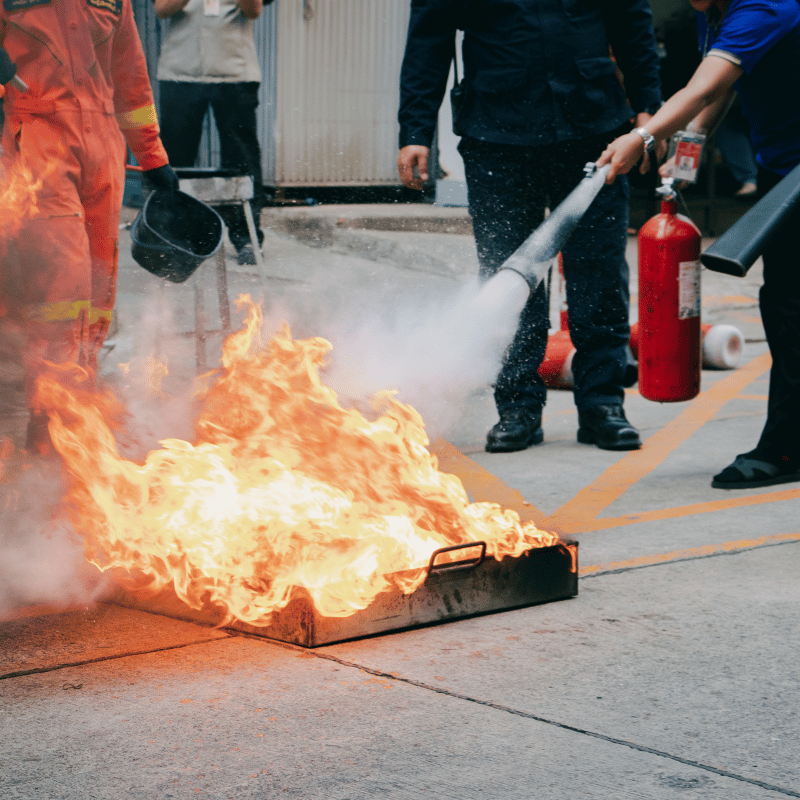
Memorising a written safety document during an office induction rarely translates into a calm, effective response when a smoke alarm sounds. When a critical crisis strikes, muscle memory and practical experience are what save lives.
| Safety Approach | What You Get | Real-World Performance |
| Traditional Classroom Theory | Memorised text, passive slide viewings, basic compliance | High panic rates, confusion over fire extinguisher types |
| Hands-On Immersive Learning | Live controlled fire suppression, Virtual Reality training | Calm coordination, rapid evacuations, precise response |
At Evacs R Us, we believe that the best way to learn is by doing. Founded by professional firefighting personnel, our team consists of current and former emergency services experts with firsthand field knowledge. We bridge the gap between regulatory theory and real-world tactical survival.
Secure Your Business Training with Evacs R Us
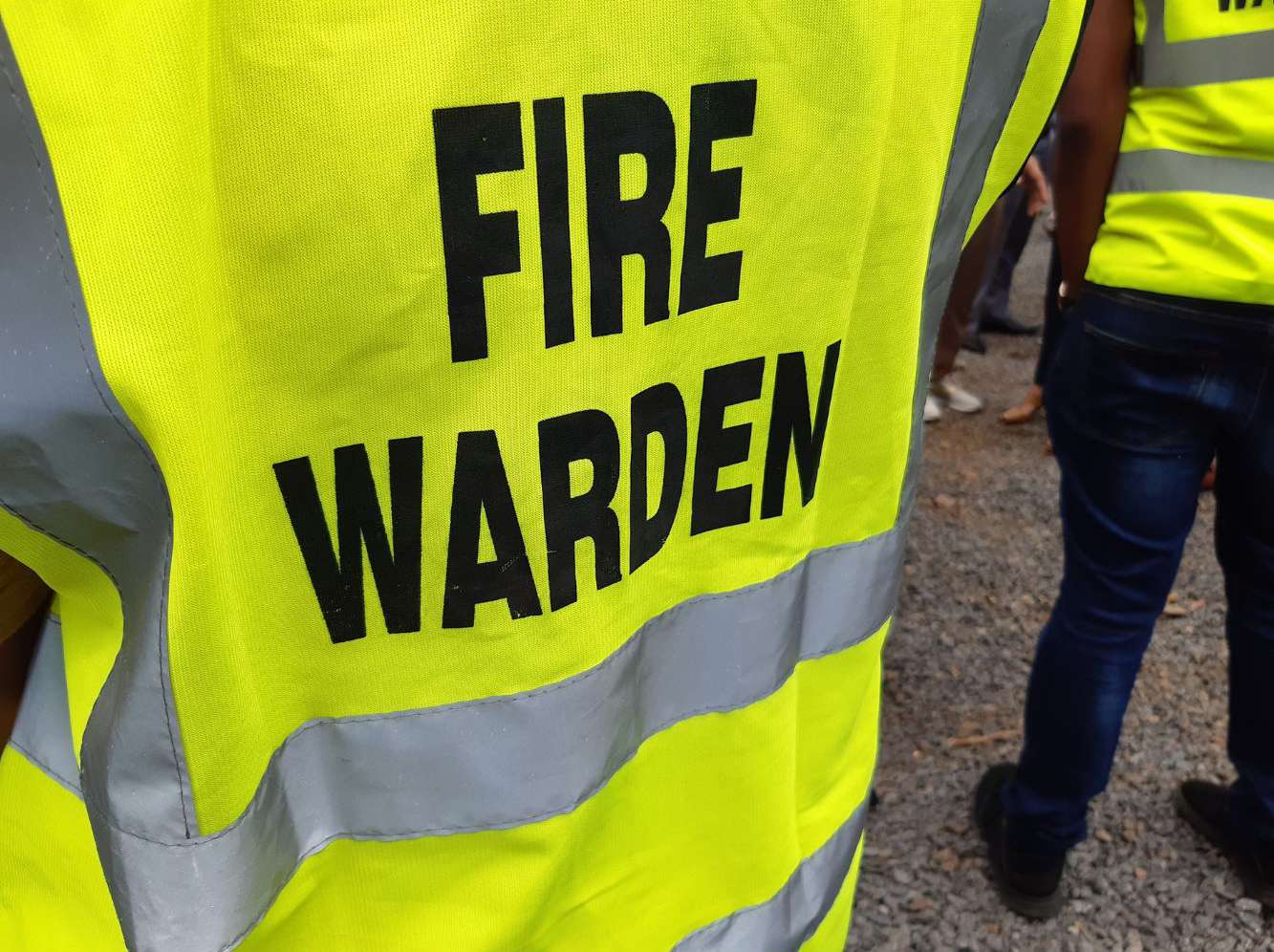
Whether you are starting from scratch to build a FENZ-approved plan, upskilling your executive team, or organising a routine refresher course for your wardens, our specialists are ready to help. We provide cost-effective, eco-conscious, and fully immersive training environments tailored to your specific commercial layout.
Protect your workforce and secure your commercial compliance before an emergency occurs. Contact Evacs R Us today to book a comprehensive review or schedule a hands-on training session for your team.