Fire compliance can feel like a maze of rules, acronyms, and paperwork… until there’s an emergency. Then it suddenly becomes very real. If you run a business in Southland or Central Otago, fire safety isn’t just a box to tick for the compliance file – it’s about making sure your people, your customers, and your livelihood are protected when something goes wrong.

Why Fire Compliance Matters More Than You Think
Legal responsibilities in New Zealand
In New Zealand, business owners and building owners have clear duties when it comes to keeping people safe. Fire safety requirements sit across things like the Building Code, fire evacuation scheme rules, and health and safety obligations. In simple terms: you’re expected to have a plan, train your people, maintain your gear, and make sure everyone can get out safely if there’s a fire.
It’s not enough to say “we’ve never had a fire before”. Compliance is about being ready before anything happens – because in a real emergency, there’s no time to read a policy or Google what to do.
Real risks
From Invercargill and Gore to Queenstown, Cromwell, Alexandra, and all the towns in between, local businesses face their own mix of risks. Older buildings, mixed-use sites, seasonal staff, and high visitor numbers can all make evacuation more complex. Add in cold winters with heaters, workshops with flammables, and busy warehouses, and it’s easy to see how quickly things can go wrong.
Fire compliance is your safety net. It’s what turns chaos into calm, and confusion into clear action when the alarm sounds.
What Fire Compliance Actually Involves
Fire evacuation schemes and drills
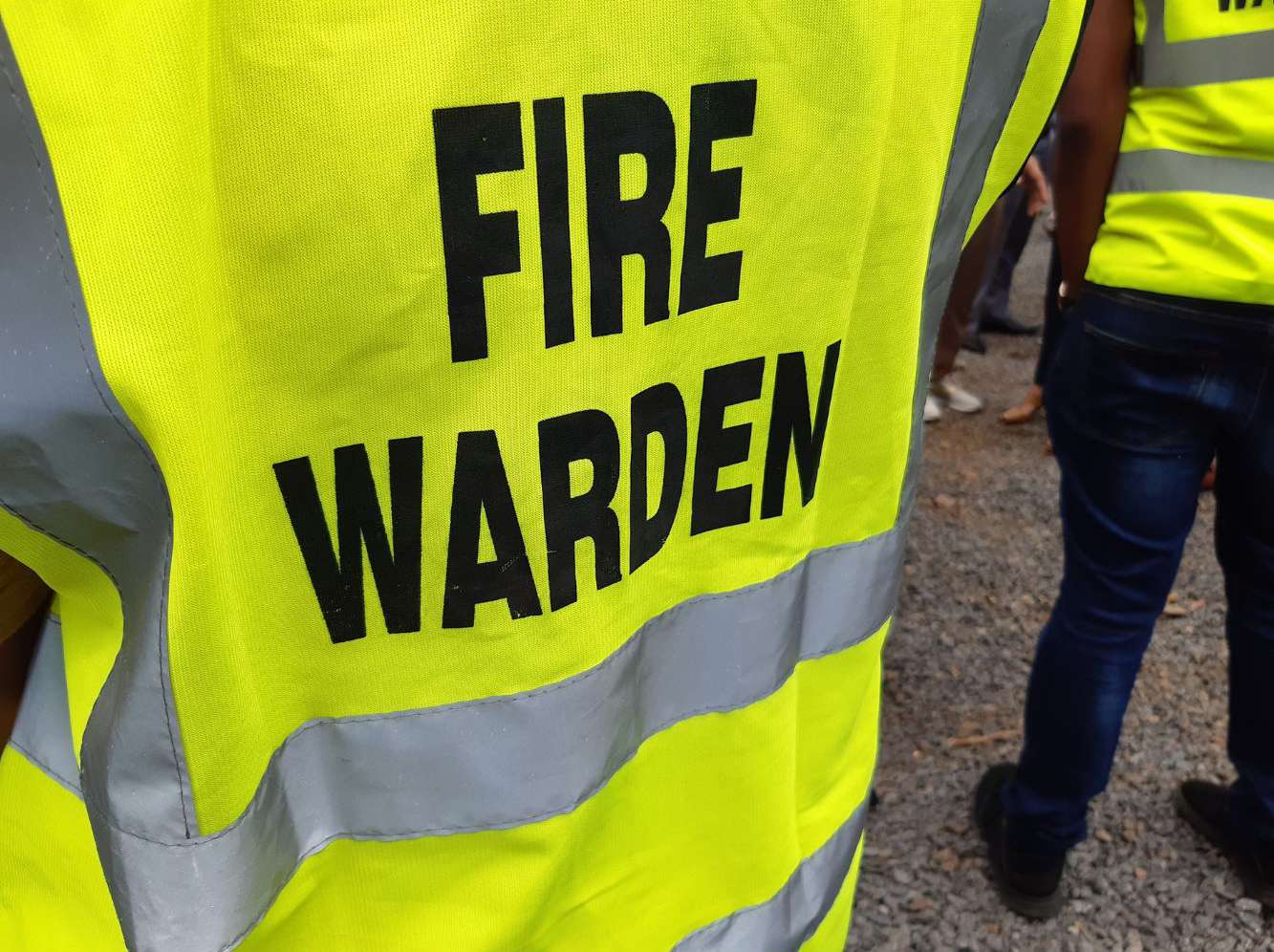
A good fire evacuation scheme is more than a floor plan stuck on a wall. It explains who does what, where people go, and how everyone is accounted for. Regular fire drills are how you test that plan in real life – not to embarrass anyone, but to uncover gaps while you still have time to fix them.
Think of drills as rehearsals. The first one might feel clunky, but over time people become more confident and faster to respond. That confidence can save lives.
Training your team – not just ticking boxes
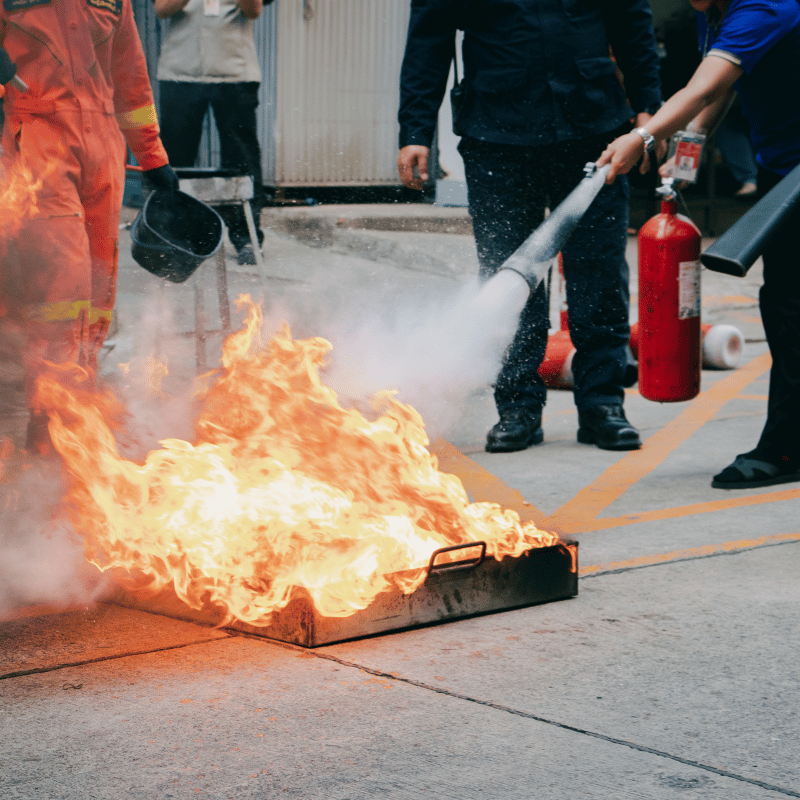
The best equipment in the world is useless if your team doesn’t know how to use it or what to do in an emergency. Fire training should be practical, simple, and relevant to your site. Who raises the alarm? Who checks the bathrooms? Who helps visitors or vulnerable people?
When training is done well, your people don’t just know the theory – they feel ready. They know where to go, who to follow, and what not to do (like running back inside for their phone).
Equipment, signage, and emergency lighting basics
From extinguishers and hose reels to exit signs and emergency lights, your physical setup is a huge part of fire compliance. Gear needs to be correctly placed, clearly signed, and regularly checked. In a smoky corridor or power cut, those glowing exit signs and emergency lights guide people out safely.
If you’ve inherited an older building, or you’re not sure if everything is up to standard, that’s a sign to get it reviewed – not something to ignore.
Turning Fire Compliance Into a Simple, Ongoing Habit
Common mistakes local businesses make
Many Southland and Central Otago businesses fall into the same traps:
- Only doing drills when someone remembers
- Assuming staff “will know what to do”
- Letting training slide when staff change
- Filing the evacuation scheme away and never revisiting it
Fire compliance isn’t a one-off task. It’s more like vehicle servicing – if you stop maintaining it, things slowly stop working the way they should.
How a local fire specialist can help
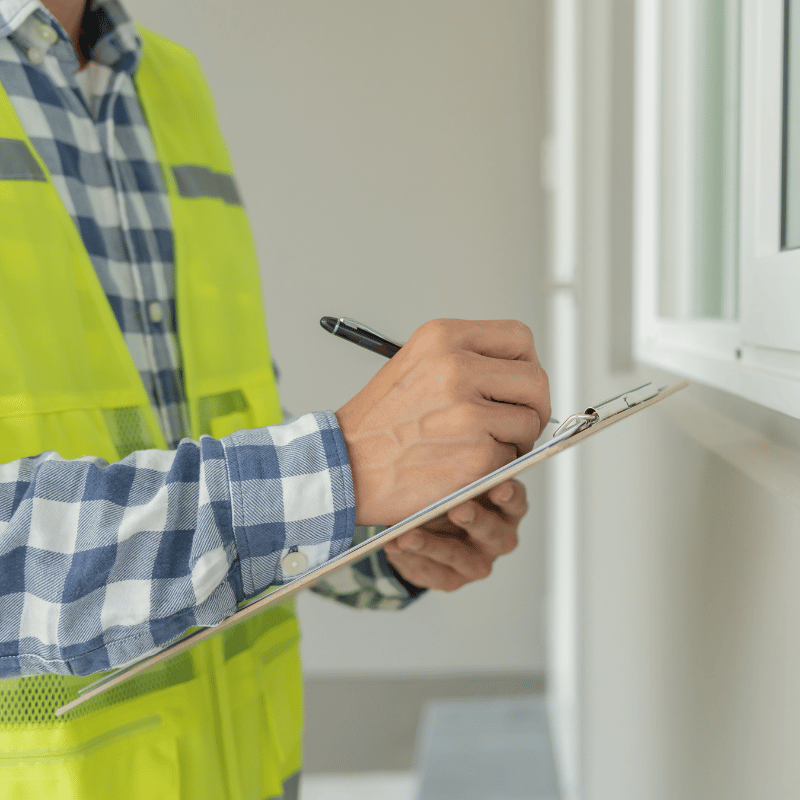
Working with a local fire training and evacuation specialist means you don’t have to figure it all out alone. They understand regional risks, local building types, and what regulators expect. They can walk through your site, spot gaps, and help turn “we hope we’re compliant” into “we know we’re ready”.
If you’re based in Southland or Central Otago, having someone nearby to visit your site, run drills, and help review your evacuation scheme makes the whole process easier and far less stressful.
What to do next if you’re unsure
Simple steps to check if you’re on track
Ask yourself:
- Do we have a current fire evacuation scheme that reflects our site today?
- When was our last drill, and did we record it?
- Has every staff member had recent, practical fire training?
- Are our exits, signage, and emergency lights maintained and clearly visible?
If you’re unsure about any of these, it’s time for a review.
How often should you review your fire compliance?
A general rule: review fire compliance at least once a year, and anytime something changes in your building layout, staff numbers, or equipment. Even small changes can affect how safe your evacuation process is.
Don’t Leave Fire Compliance to Chance
Fire compliance isn’t just about meeting regulations — it’s about protecting the people who keep your business running. If you’re unsure where your building stands or simply want expert guidance, we’re here to help. As your local Southland and Central Otago fire specialists, we make the hard stuff simple. If you’re ready for clarity and peace of mind, contact us today — we’ll walk your site, answer your questions, and make sure you’re fully prepared.