If a fire broke out at your workplace right now, would everyone actually know what to do — or would people look at each other and freeze? That’s the real test of a fire evacuation scheme. It’s not just a document for the file or something you tick off for compliance; it’s the playbook that helps your team get out safely when things go wrong, especially across Southland and Central Otago where weather, distance, and older buildings can all add extra layers of risk.

What Is A Fire Evacuation Scheme?
In simple terms, a fire evacuation scheme sets out exactly how people will get out of your building in an emergency, who does what, and how you make sure the process works in real life. It connects your building layout, your fire equipment, and your people into one clear plan. In New Zealand, many buildings are required to have an approved evacuation scheme, but even if you’re not strictly required, having a solid plan is just good sense — and good business.
More Than A Floor Plan On The Wall
A lot of businesses think, “We’ve got a diagram by the door, we’re sorted.” But a real evacuation scheme goes further. It considers behaviour under stress, visitors who don’t know the building, after-hours staff, and people who might need extra help. It answers questions like: Who checks bathrooms? Who calls 111? Who makes sure nobody goes back inside for their laptop?
Key Elements Of A Strong Scheme
A practical scheme usually covers:
- Clear, well-marked escape routes
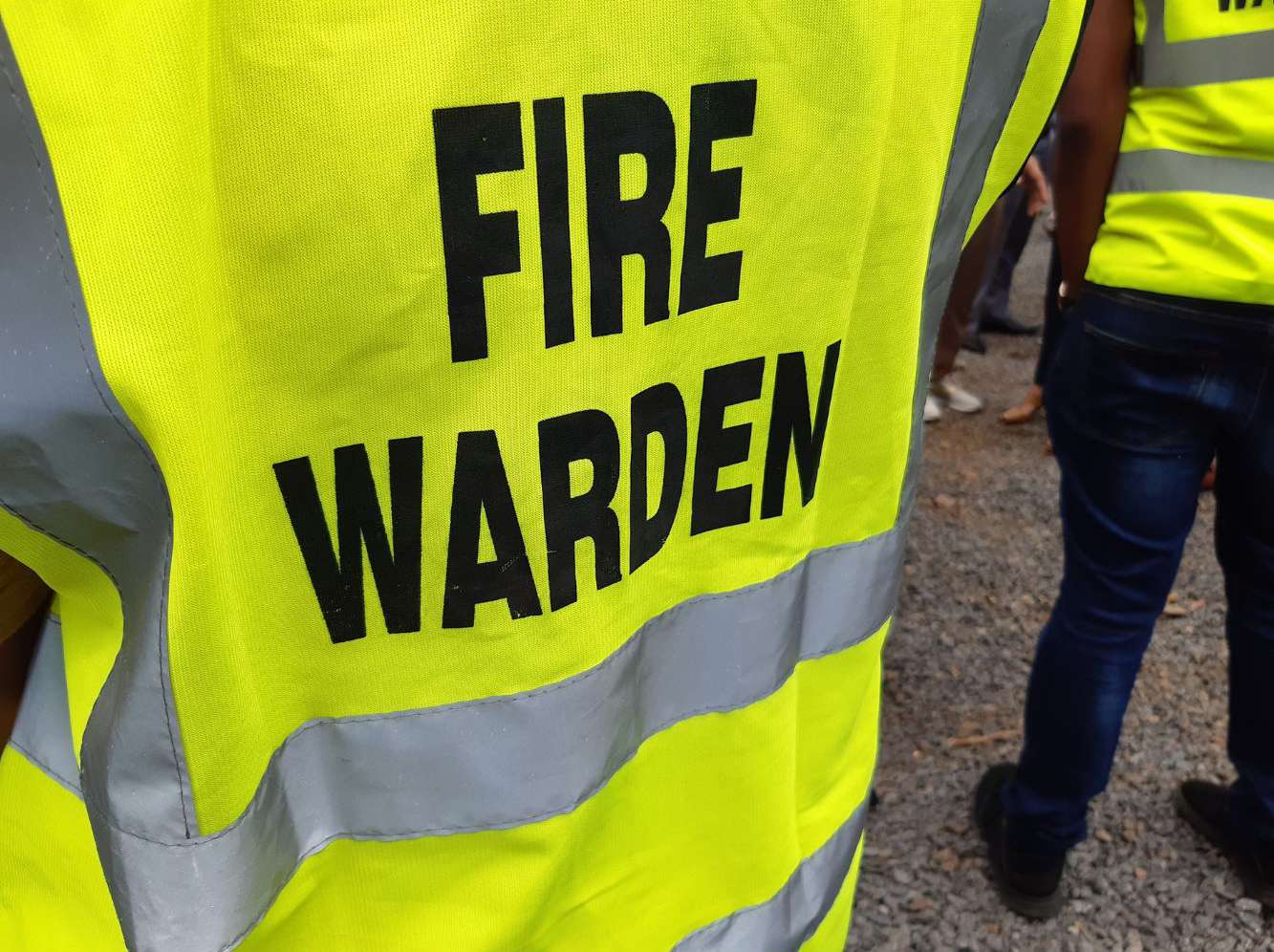
- Defined roles (like fire wardens and controllers)
- Communication steps — alarms, roll calls, emergency services
- How you manage special risks like chemicals, workshops, or machinery
Done well, it’s like a team game plan: everyone knows their position before the whistle blows.
Building A Practical Fire Evacuation Scheme
A good evacuation scheme starts with your actual site, not a generic template.
Understand Your Building And Your People
You’ve got different risks if you’re running a busy retail space in Alexandra compared to a workshop near Invercargill or a vineyard shed out in Central Otago. How many people are on-site? Do you have seasonal staff? Contractors? Customers who come and go? Your scheme should reflect real headcounts, real shift patterns, and real movement through the building.
Southland & Central Otago Realities
Local conditions matter. Strong winds, icy mornings, dark winter evenings, and remote locations can all affect how quickly people can get to a safe assembly point. Rural sites might need clearer directions for emergency services. Mixed-use sites — offices plus warehouse, workshop plus showroom — often need more than one evacuation route and assembly area.
Map Clear Escape Routes And Assembly Points
Think about how people actually move, not how you wish they moved. Are there bottlenecks at a single staircase? Does everyone naturally head for the main entrance, even if there are safer exits? Your scheme should show simple, direct routes and safe assembly areas that are far enough away from the building, vehicle access, and any tanks or cylinders.
Train, Drill, Review, Improve
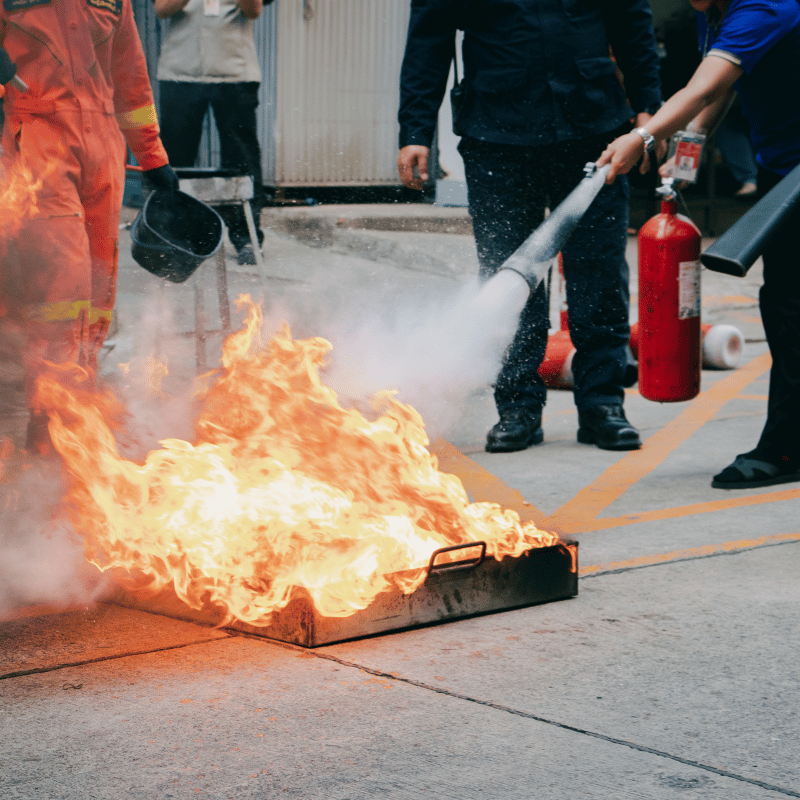
A scheme on paper is just ink. Training and drills turn it into muscle memory. Regular fire drills, short toolbox talks, and quick refreshers for new staff keep the plan alive. After each drill, ask: what worked, what didn’t, and what do we need to tweak?
Common Gaps We See In Local Fire Evacuation Schemes
Outdated Or Generic Plans
Many businesses inherit old plans or download a template that doesn’t quite fit the building. Over time, walls move, layouts change, and new equipment arrives, but the scheme never gets updated. That’s when confusion creeps in.
Staff Who Don’t Know Their Role
If your fire wardens have left, changed roles, or never had proper training, your scheme becomes a guessing game. Everyone assumes “someone else” will take charge — and that’s the last thing you want in a real emergency.
Get Local Help With Your Fire Evacuation Scheme
How We Support Southland & Central Otago Businesses
A local fire training and evacuation specialist can walk your site with you, review your existing scheme, and turn it into something that actually works for your building and your people. That might include updating diagrams, clarifying roles, running staff training, and planning realistic drills that fit your operation, not disrupt it.
Ready To Make Your Scheme Work In Real Life?
A fire evacuation scheme only works when it’s tailored, up to date, and understood by everyone on site. If you’re unsure whether your current plan would hold up in a real emergency, we’re here to help. Our local team supports Southland and Central Otago businesses with practical reviews and training that make evacuation steps second nature. Reach out today and let’s build a safer, more confident workplace together — starting with a plan your people can trust.