When people think “fire safety,” they usually picture alarms, extinguishers, or sprinklers doing the heavy lifting. But the real hero in most fire emergencies is something far less noticeable: passive fire protection. It’s the built-in structure of your building quietly working 24/7 to slow down a fire, protect escape routes, and keep people safe.
What Passive Fire Protection Actually Is
Passive fire protection is everything built into your walls, ceilings, doors, and floors that helps contain fire and smoke. Unlike alarms and sprinklers that “activate,” passive features are always working in the background — like a safety net you hope you never need, but absolutely want in place.
Active vs Passive Fire Systems
Active systems warn you, spray water, or help you fight the fire. Passive systems divide your building into fire-resistant compartments that slow down fire long enough for people to evacuate. Think of it like rugby: active systems are the players who run and tackle, but the passive systems are the strong defensive line that stops danger from breaking through.
Why Passive Protection Matters in a Real Emergency
In a real fire, people don’t evacuate in a calm, tidy line. There’s panic, confusion, and smoke. Passive fire protection keeps key areas safe for longer — giving everyone precious time to escape.
Key Passive Fire Protection Features in Your Building
Most buildings in Southland and Central Otago already have passive fire features installed, but even small changes or DIY jobs can weaken them without anyone noticing.
Fire-Rated Walls & Ceilings
These create “fire cells” that hold back flames and smoke. If a fire starts in one area, fire cells stop it spreading instantly through your site. They buy critical minutes — and minutes matter.
Hidden Gaps & Penetrations
Every cable, pipe, or service that passes through a wall or ceiling creates a potential weak point. If penetrations aren’t properly sealed with certified fire-stopping products, smoke and heat can travel like water through a crack. Many businesses only discover these issues during a compliance audit — or worse, after an incident.
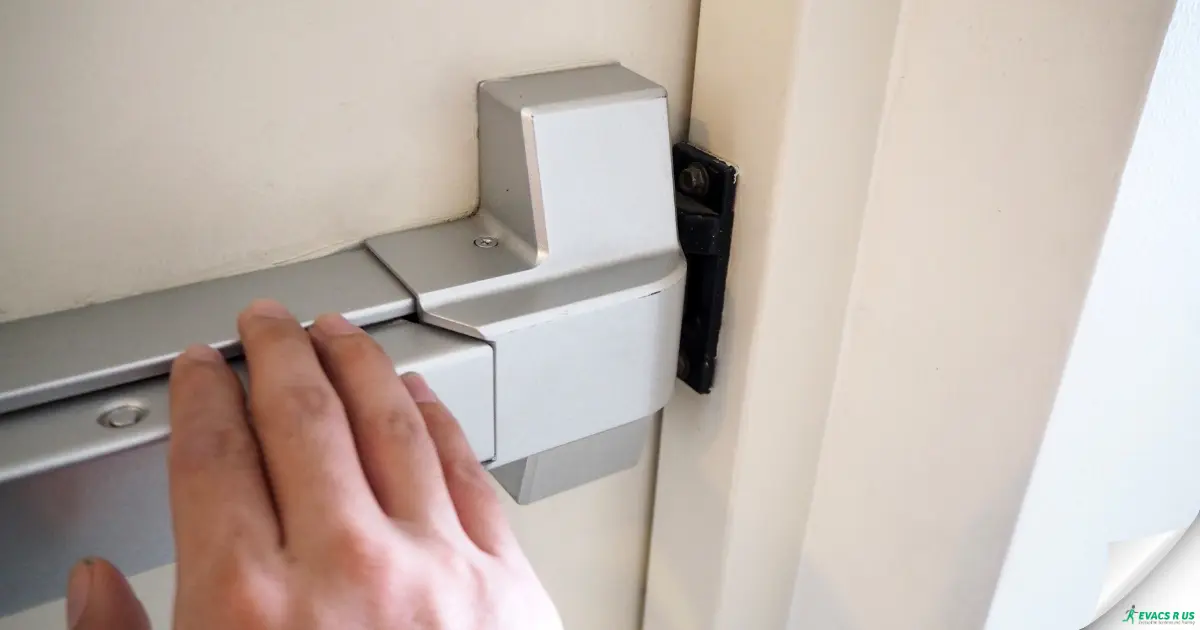
Fire & Smoke Doors
These doors protect corridors and escape routes. But if they’re wedged open, damaged, or not latching properly, they can’t hold back smoke. A single door left open can turn a safe exit into a dangerous trap.
How Passive Fire Protection Supports Your Evacuation Scheme
A great evacuation plan relies on one thing: time. And passive fire protection is what gives you that time.
Protecting Escape Routes
Clear, smoke-free escape routes are essential. Passive fire systems help keep paths usable long enough for staff, visitors, and contractors to get out safely — even under pressure.
Compliance & Insurance Risks
If fire doors don’t close, walls are unsealed, or passive systems are altered without approval, you may face serious compliance issues. Insurers can ask tough questions after an incident. Good passive protection reduces risk and strengthens your safety record.
Get Local Support in Southland & Central Otago
You don’t have to figure all this out alone. A local fire specialist can walk your site, explain what’s working, spot risks, and help you link your passive fire features directly to your evacuation scheme.
Practical On-Site Reviews
We can help local businesses to:
- Review fire cells, doors, penetrations, and escape routes
- Identify compliance gaps
- Strengthen the link between building design and evacuation planning
- Prioritise fixes based on real-world risk
Contact Us
If you’re unsure whether your Evacuation scheme and passive fire protection is actually doing its job, let’s take a look together. Book a site review and get clear, practical guidance — tailored to Southland and Central Otago buildings — so your people stay safe when it matters most.