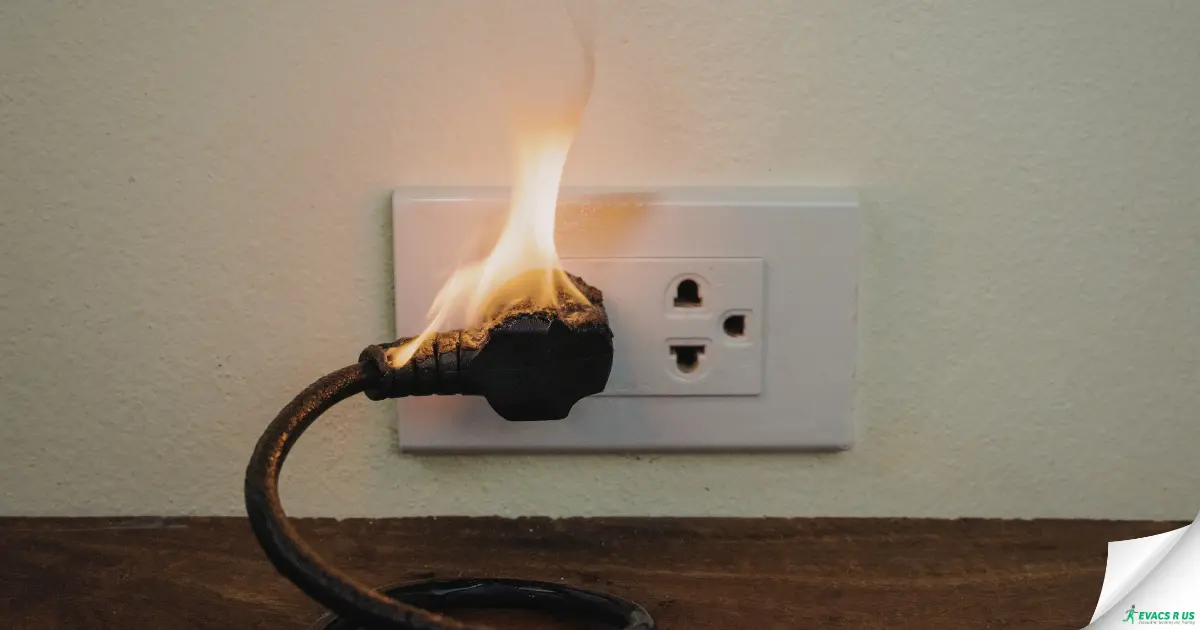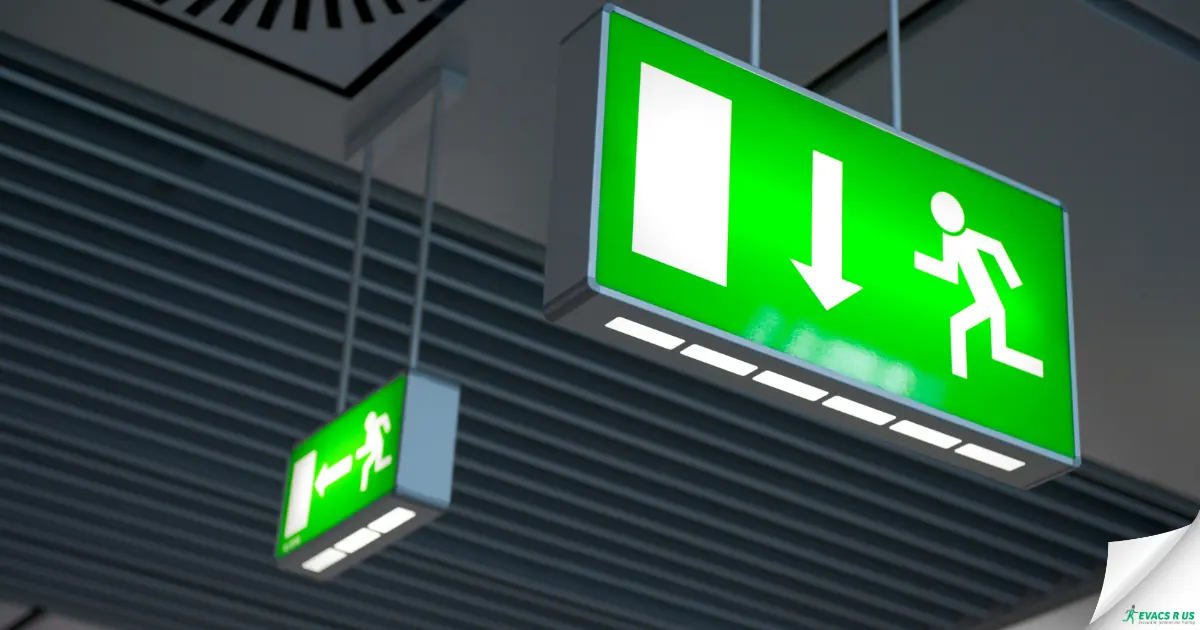
When a fire alarm sounds, your team won’t pull out a policy manual and calmly read page three. They’ll react based on what they’ve practised and what they remember. That’s why fire safety training is so important – and why having trainers who actually understand Southland and Central Otago makes a huge difference. It’s not just about ticking a compliance box; it’s about giving your people the skills and confidence to act fast and safely when it matters most.
What Is Fire Safety Training (Really) About?
At its core, fire safety training teaches people what to do before, during, and after a fire or emergency. But in real life, it’s much more than a quick PowerPoint or a once-a-year drill. Good training helps your team recognise risks, respond calmly under pressure, and support each other so everyone has the best chance of getting out safely.
From Compliance To Confidence
Yes, regulations and responsibilities matter – especially for New Zealand businesses with staff, customers, and contractors on site. But if your people walk away thinking, “That was boring, I didn’t really learn anything,” the training has failed. Effective fire safety training turns rules into real-world actions: how to raise the alarm, when (and when not) to use an extinguisher, how to help visitors, and how to evacuate without chaos.
Key Topics Covered In Quality Training
Strong fire safety training usually includes:
- How fires start and spread in your type of workplace
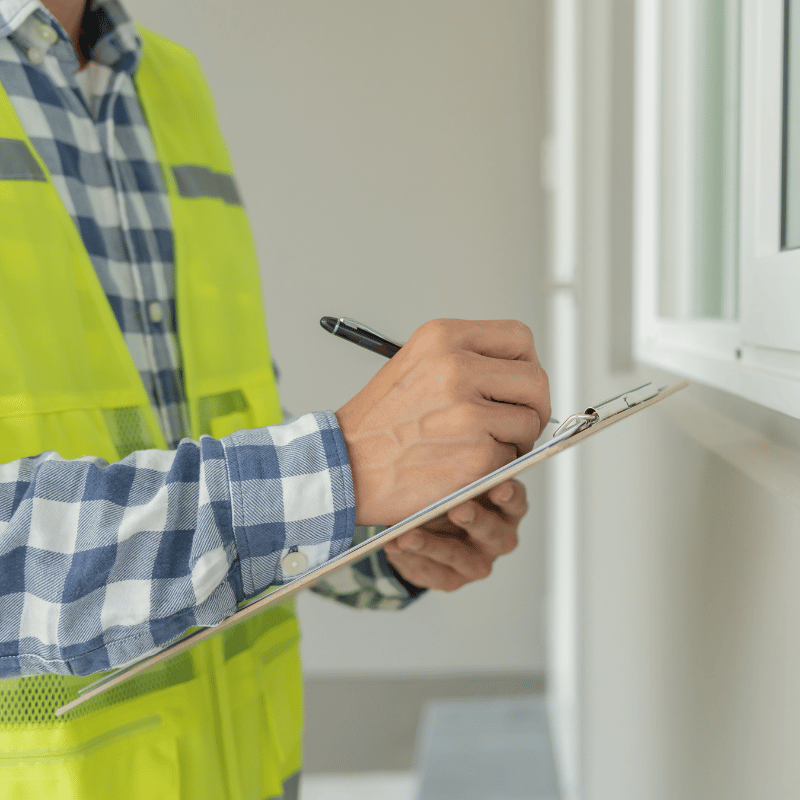
- How to spot hazards before they become incidents
- What to do when the alarm sounds
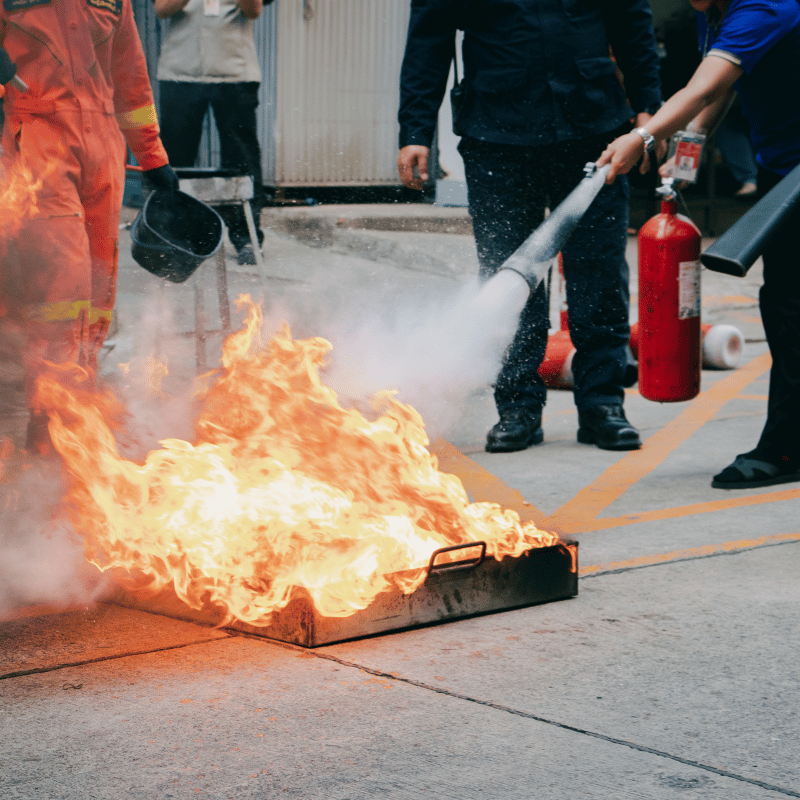
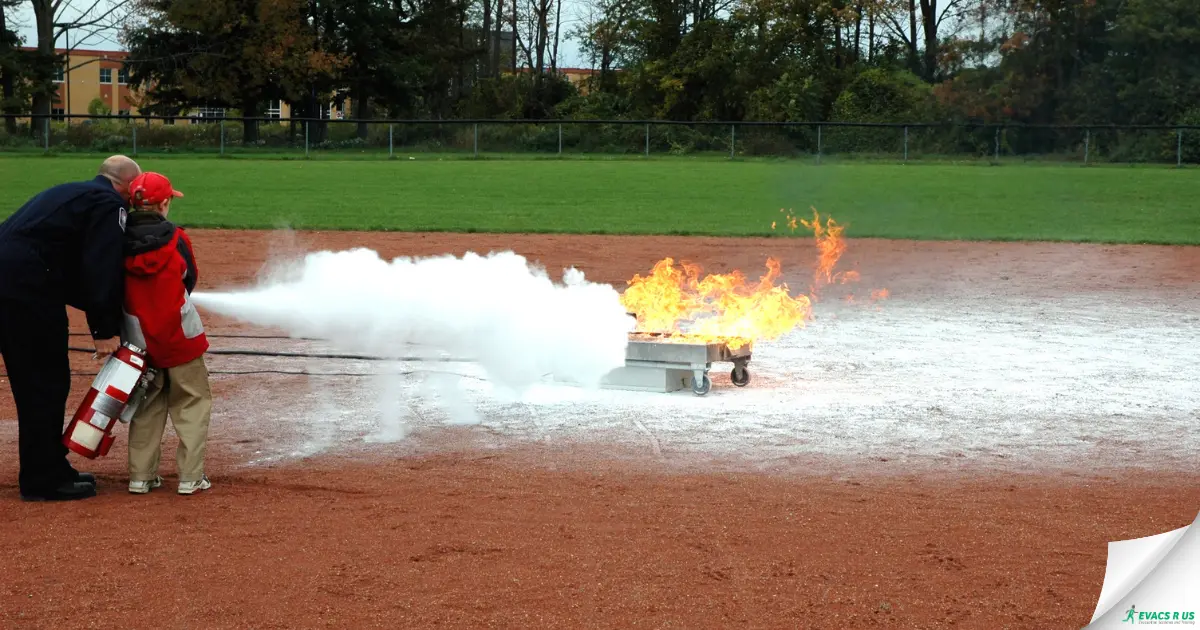
- How to use fire extinguishers and other equipment safely
- Roles and responsibilities during an evacuation
Done well, it feels practical and relevant – not like generic “one-size-fits-no-one” content.
Why Local Expertise Makes A Real Difference
So why does local expertise matter so much? Because a workshop in Invercargill, a café in Clyde, and a packhouse near Cromwell don’t have the same risks – and your training shouldn’t pretend they do.
Understanding Local Buildings And Industries
A trainer who works regularly across Southland and Central Otago understands the mix of sites in the region: rural sheds, industrial workshops, logistics depots, schools, healthcare, tourism, and professional offices. They know what can go wrong in each environment – from flammable materials in a farm workshop to sleeping occupants in accommodation or mobility challenges in care settings – and they can tailor examples and scenarios to match.
Southland & Central Otago Conditions
Then there’s the local environment: cold, dark winter mornings, high winds, icy car parks, and sometimes long distances for emergency services to travel. Older buildings, add-ons, and repurposed spaces can create quirky layouts and hidden risks. Seasonal staff and tourists may not know the site at all. Local trainers build those realities into your fire safety training so your plan works on a frosty July morning, not just on a sunny training day.
Aligning Training With Your Evacuation Scheme
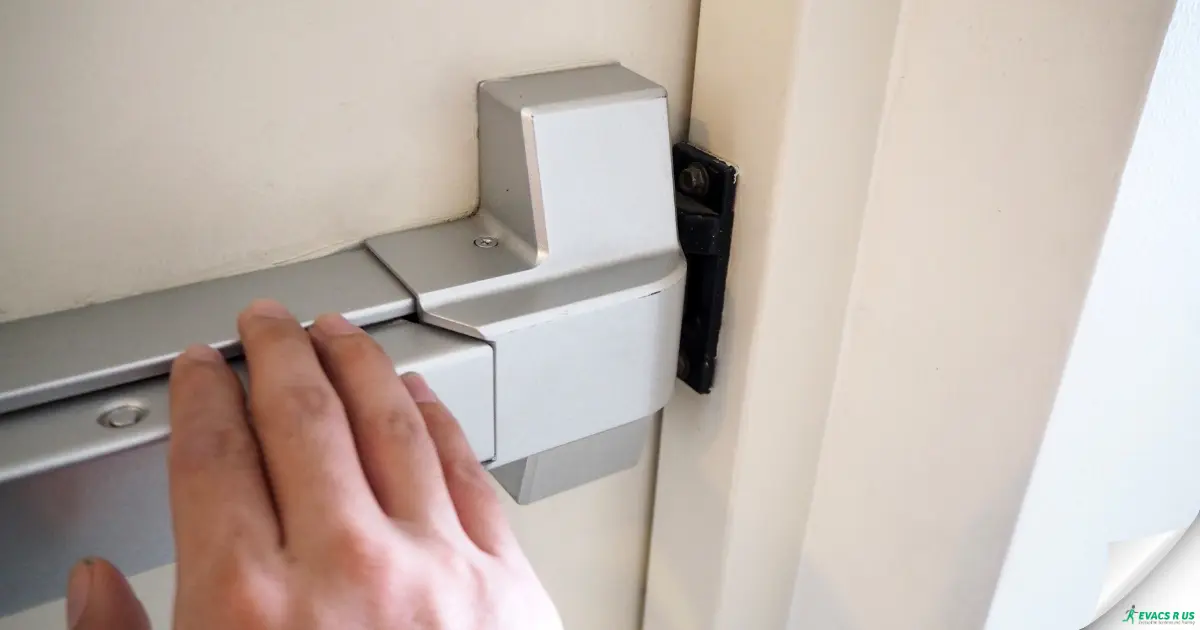
Your fire evacuation scheme and your fire safety training should work together like a matched pair. Local specialists can review your scheme, walk your site, and then run training that uses your actual exits, equipment, and assembly areas. That way, your team practises exactly what they’ll do if the alarm goes off for real.
What Effective Fire Safety Training Looks Like
Hands-On, Scenario-Based Learning
The best fire safety training feels practical, not theoretical. Staff should have the chance (where appropriate) to see how extinguishers work, walk the evacuation routes, and work through “what if” scenarios based on your actual site. Instead of lectures, they get conversations: “What would you do if the fire was in this area?” “How would you help a customer in a wheelchair?”
Common Gaps Training Can Fix
Local training can quickly fix issues like:
- New or casual staff who’ve never had a proper briefing
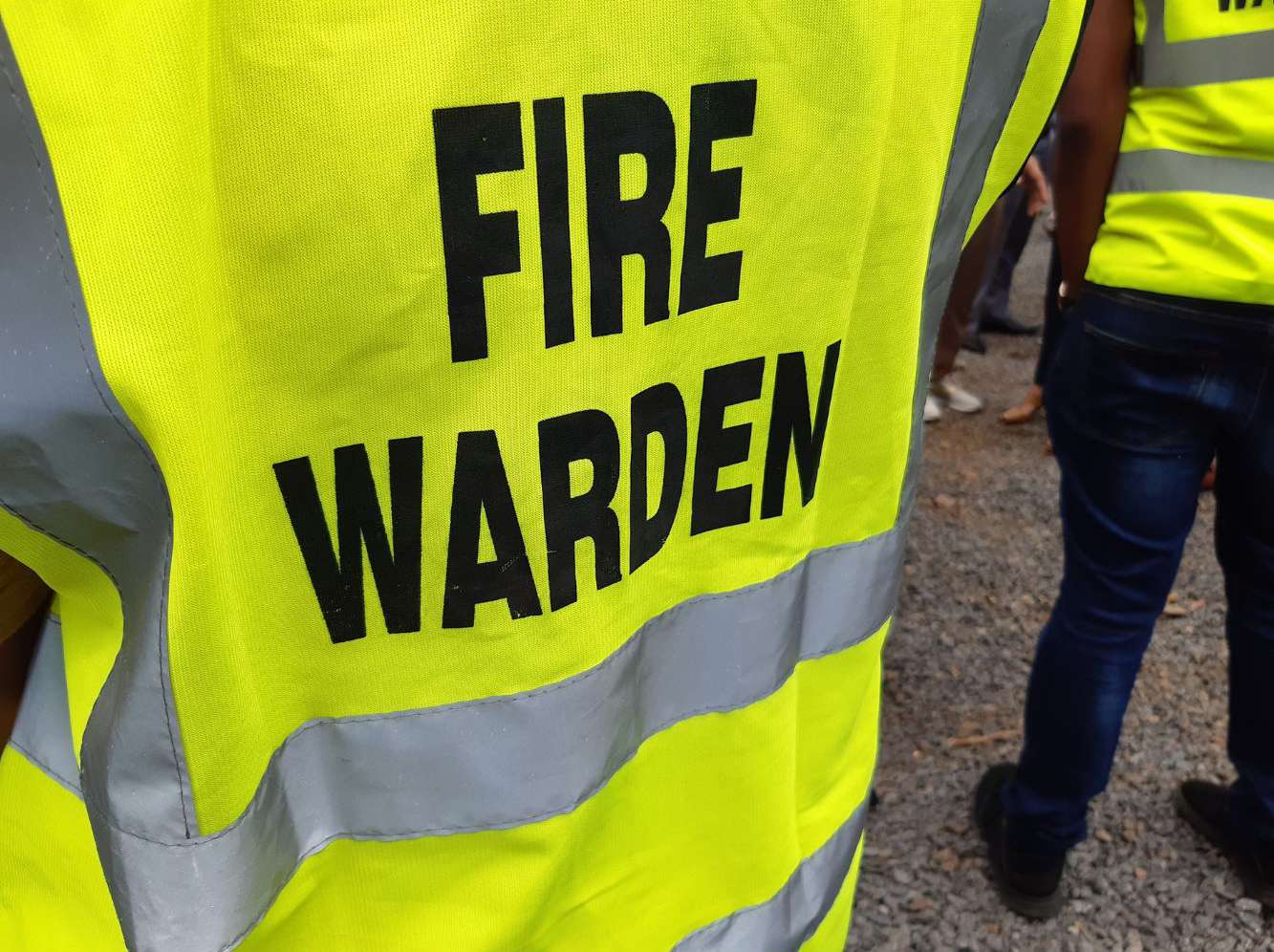
- People unsure about who the fire wardens are
- Confusion about which assembly area to use
- Staff who have never practised using an extinguisher
These gaps seem small – until the day you discover they really matter.
Get Local Support For Your Fire Safety Training
How We Work With Southland & Central Otago Businesses
Working with a local fire training specialist means you get more than a “standard” course. We visit your site, understand your layout and risks, review your evacuation scheme, and then design training that fits your people, your industry, and your schedule. We can support businesses with initial training, refresher sessions, warden training, and realistic drills that build confidence over time.
Ready To Build A Safer, More Confident Team?
Fire safety training isn’t just another task on a compliance checklist – it’s one of the most practical ways to protect your people and your business. If you’re not sure how effective your current training is, or you’ve had staff changes, now is the perfect time to review it. Get in touch with our local team in Southland and Central Otago, and let’s create fire safety training that feels real, relevant, and ready for the moment your people need it most.