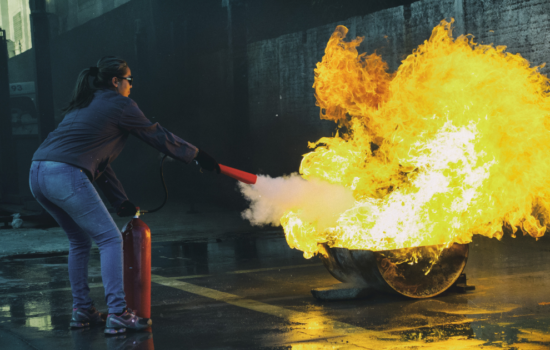
Avoid the Fines (and the Fires): Fire Compliance Tips

Fire compliance can feel like a maze of rules, acronyms, and paperwork… until there’s an emergency. Then it suddenly becomes very real. If you run a business in Southland or Central Otago, fire safety isn’t just a box to tick for the compliance file – it’s about making sure your people, your customers, and your livelihood are protected when something goes wrong.

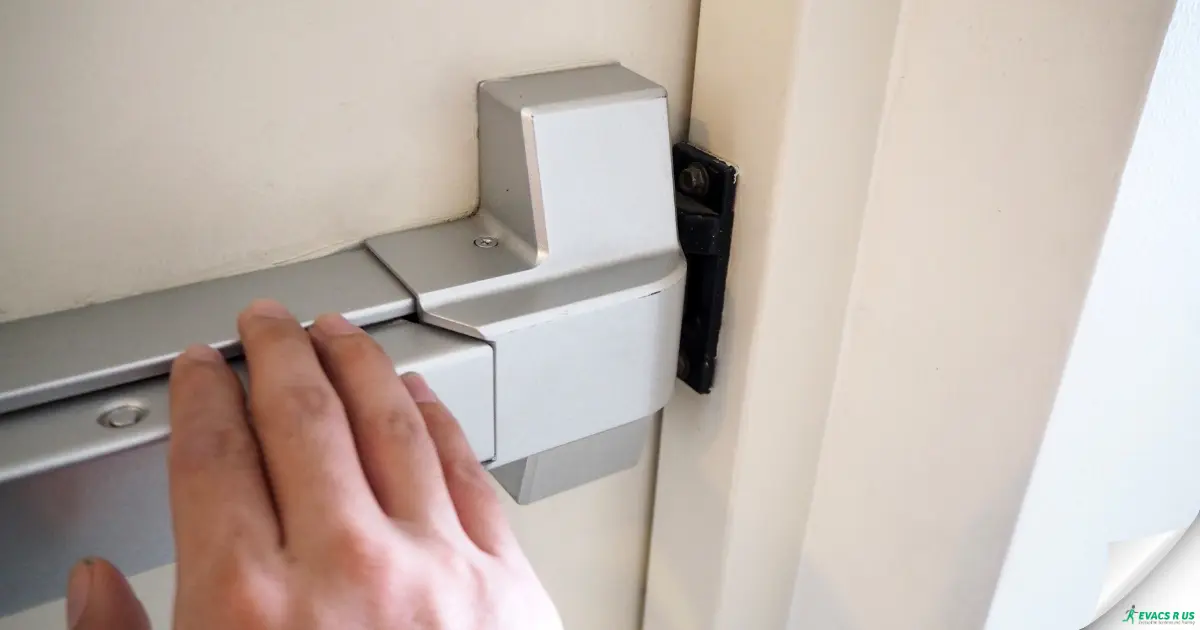
fire compliance itens


Why Fire Compliance Matters More Than You Think

Legal responsibilities in New Zealand

In New Zealand, business owners and building owners have clear duties when it comes to keeping people safe. Fire safety requirements sit across things like the Building Code, fire evacuation scheme rules, and health and safety obligations. In simple terms: you’re expected to have a plan, train your people, maintain your gear, and make sure everyone can get out safely if there’s a fire.

It’s not enough to say “we’ve never had a fire before”. Compliance is about being ready before anything happens – because in a real emergency, there’s no time to read a policy or Google what to do.

Real risks

From Invercargill and Gore to Queenstown, Cromwell, Alexandra, and all the towns in between, local businesses face their own mix of risks. Older buildings, mixed-use sites, seasonal staff, and high visitor numbers can all make evacuation more complex. Add in cold winters with heaters, workshops with flammables, and busy warehouses, and it’s easy to see how quickly things can go wrong.

Fire compliance is your safety net. It’s what turns chaos into calm, and confusion into clear action when the alarm sounds.


What Fire Compliance Actually Involves

Fire evacuation schemes and drills

A good fire evacuation scheme is more than a floor plan stuck on a wall. It explains who does what, where people go, and how everyone is accounted for. Regular fire drills are how you test that plan in real life – not to embarrass anyone, but to uncover gaps while you still have time to fix them.

Think of drills as rehearsals. The first one might feel clunky, but over time people become more confident and faster to respond. That confidence can save lives.

Training your team – not just ticking boxes

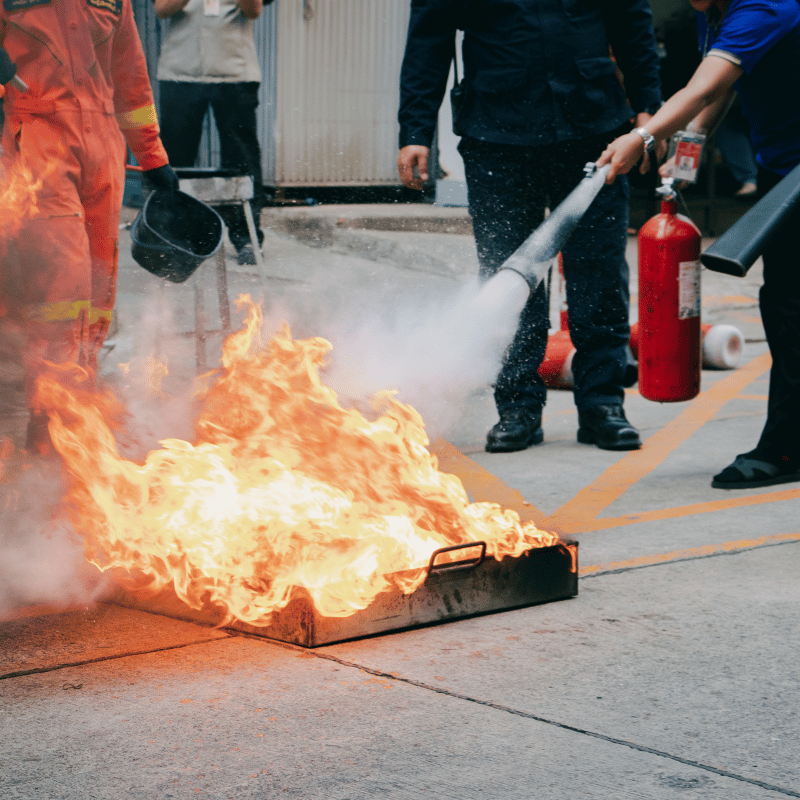
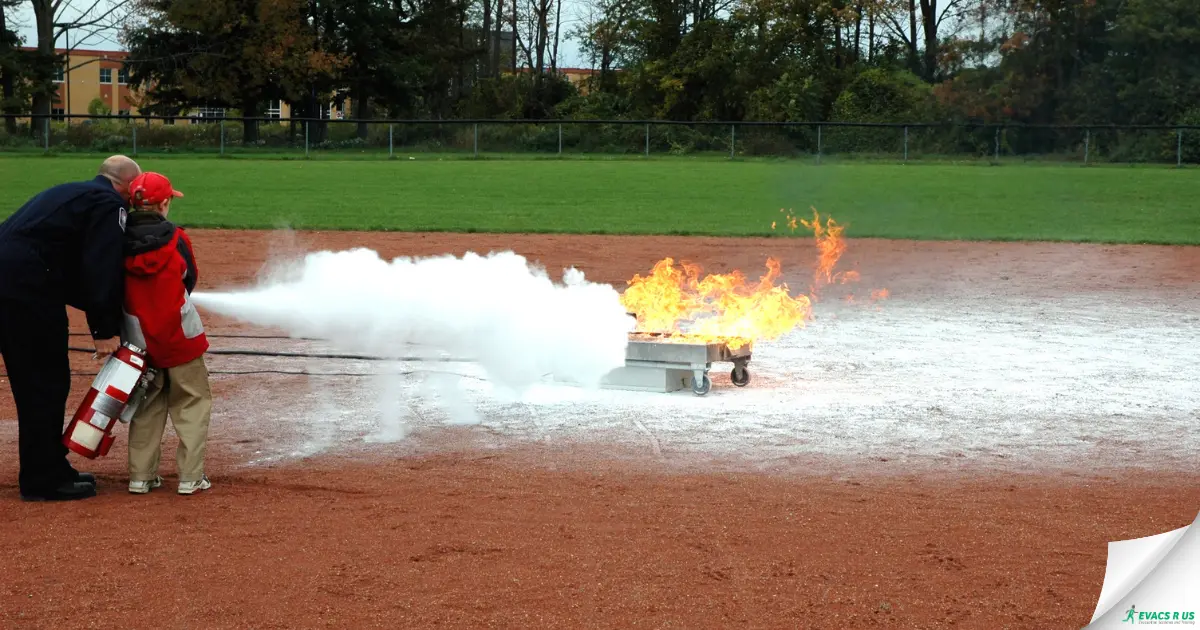
The best equipment in the world is useless if your team doesn’t know how to use it or what to do in an emergency. Fire training should be practical, simple, and relevant to your site. Who raises the alarm? Who checks the bathrooms? Who helps visitors or vulnerable people?

When training is done well, your people don’t just know the theory – they feel ready. They know where to go, who to follow, and what not to do (like running back inside for their phone).

Equipment, signage, and emergency lighting basics

From extinguishers and hose reels to exit signs and emergency lights, your physical setup is a huge part of fire compliance. Gear needs to be correctly placed, clearly signed, and regularly checked. In a smoky corridor or power cut, those glowing exit signs and emergency lights guide people out safely.

If you’ve inherited an older building, or you’re not sure if everything is up to standard, that’s a sign to get it reviewed – not something to ignore.


Turning Fire Compliance Into a Simple, Ongoing Habit

Common mistakes local businesses make

Many Southland and Central Otago businesses fall into the same traps:

  • Only doing drills when someone remembers
  • Assuming staff “will know what to do”
  • Letting training slide when staff change
  • Filing the evacuation scheme away and never revisiting it

Fire compliance isn’t a one-off task. It’s more like vehicle servicing – if you stop maintaining it, things slowly stop working the way they should.

How a local fire specialist can help

Working with a local fire training and evacuation specialist means you don’t have to figure it all out alone. They understand regional risks, local building types, and what regulators expect. They can walk through your site, spot gaps, and help turn “we hope we’re compliant” into “we know we’re ready”.

If you’re based in Southland or Central Otago, having someone nearby to visit your site, run drills, and help review your evacuation scheme makes the whole process easier and far less stressful.

What to do next if you’re unsure

Simple steps to check if you’re on track

Ask yourself:

  • Do we have a current fire evacuation scheme that reflects our site today?
  • When was our last drill, and did we record it?
  • Has every staff member had recent, practical fire training?
  • Are our exits, signage, and emergency lights maintained and clearly visible?

If you’re unsure about any of these, it’s time for a review.

How often should you review your fire compliance?

A general rule: review fire compliance at least once a year, and anytime something changes in your building layout, staff numbers, or equipment. Even small changes can affect how safe your evacuation process is.


Don’t Leave Fire Compliance to Chance


Fire compliance isn’t just about meeting regulations — it’s about protecting the people who keep your business running. If you’re unsure where your building stands or simply want expert guidance, we’re here to help. As your local Southland and Central Otago fire specialists, we make the hard stuff simple. If you’re ready for clarity and peace of mind, contact us today — we’ll walk your site, answer your questions, and make sure you’re fully prepared.

Book with us

You can book your course directly online through our online booking system. Simply pick your course, the number of people attending, and the desired dates to book a course time.
Book Fire Suppression Image

Book Fire Suppression

Book Fire Warden Image

Book Fire Warden

Book Fire Warden Image

Book Trial Evacuation


    Please take a note: Price is included in your Monthly Maintenance or by arrangement.

    Don’t Risk It: The Correct Extinguisher for Electrical Fires in NZ

    Electrical fires are sneaky, fast, and unforgiving. One tiny spark behind a wall or inside a machine can turn into a dangerous blaze in seconds. And for Southland and Central Otago businesses—whether you’re running a café in Clyde, a workshop in Invercargill, or a commercial site in Cromwell—knowing how to control an electrical fire could be the difference between a close call and a major disaster.

    So let’s break it all down clearly, simply, and in a way that helps you protect your people and your business.

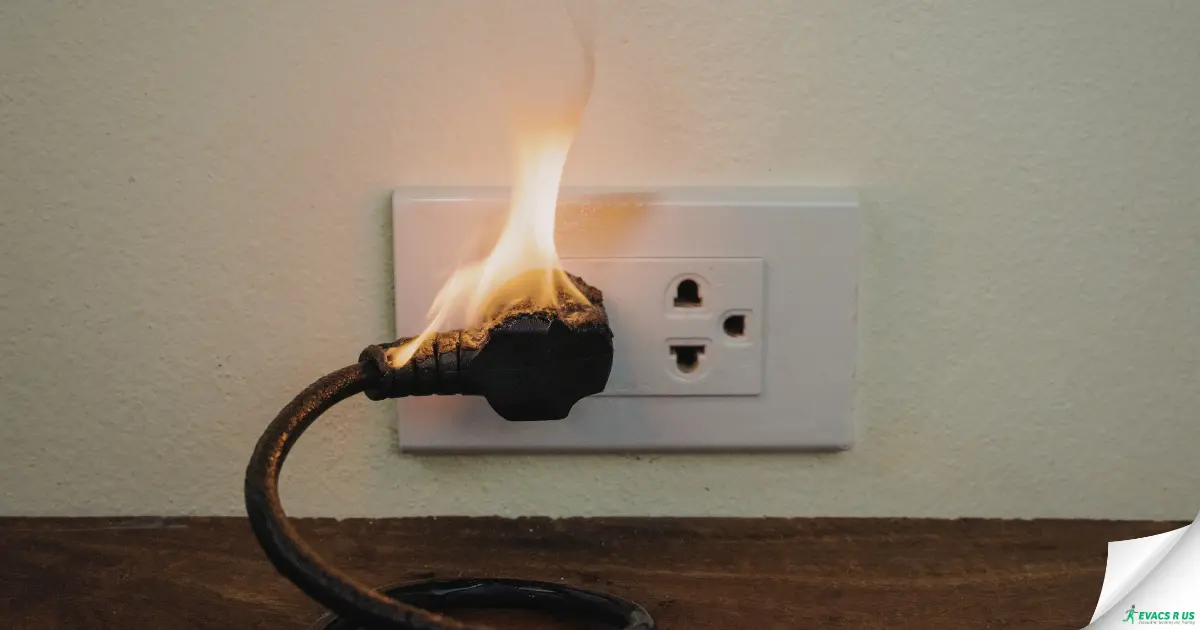
    electrical fire extinguisher


    Why Electrical Fires Are Different

    Electrical fires aren’t like regular fires. You can’t throw water on them… unless you want to make the situation worse. Electricity changes the rules. That’s why choosing the right fire extinguisher isn’t optional—it’s essential.

    Common Causes of Electrical Fires in Local Workplaces

    Most electrical fires start from everyday issues you might not even notice:

    • Overloaded power boards
    • Dust build-up inside appliances
    • Faulty wiring in older buildings
    • Overheated machinery, damaged extension leads

    Pretty relatable, right? Every business has at least one of these lurking somewhere.

    Signs Your Electrical System May Be Unsafe

    If you spot any of these, take action:

    • Flickering lights
    • Burning or “hot plastic” smells
    • Outlets warm to the touch
    • Frequent breaker trips

    Think of it as your building trying to tell you something before things escalate.


    What Type of Fire Extinguisher Do You Need for Electrical Fires?

    In New Zealand, we follow a simple rule: use an extinguisher rated for a class E fire (Class E = Electrical). If it’s not rated for electrical equipment, don’t touch it.

    Why the Dry Chemical Extinguisher Is the Go-To Option

    For most workplaces, a Dry Chemical Powder (DCP) extinguisher is the safest, most effective choice. Here’s why:

    • It works on electrical fires AND flammable liquids
    • It knocks down flames fast
    • It’s widely available and affordable
    • It’s perfect for workshops, offices, retail stores, and industrial sites

    If you’re only going to have one extinguisher type, make it this one.

    CO₂ Extinguishers: When They’re Useful

    CO₂ extinguishers are brilliant for:

    • Computer rooms
    • Server cabinets
    • Sensitive electronics
    • Kitchens using electric appliances

    They leave no residue, which means no messy cleanup or damaged equipment. But they’re not ideal outdoors, as the gas blows away quickly.


    How to Use an Electrical Fire Extinguisher Safely

    Even the best extinguisher won’t help if no one knows how to use it. That’s why fire training matters—your team needs the confidence to act quickly and safely.

    The PASS Method Made Simple

    Here’s the easiest way to remember how to use one:

    • T – Pull the safety pin
    • A – Aim at the base of the fire
    • S – Squeeze the handle
    • S – Sweep side to side

    Think of it like wiping crumbs off the bench—smooth, steady, and controlled.

    When NOT to Fight a Fire

    This part is crucial. NEVER try to put out a fire if:

    • The flames are spreading rapidly
    • The Evacuation has not been actioned
    • Smoke is filling the room
    • You’re unsure what’s burning
    • You feel unsafe for even a second

    Your safety comes first. Evacuate immediately and call 111.


    Knowing how to choose and use an electrical fire extinguisher is one of the simplest ways to increase workplace safety—and reduce risk for your team and your business. Whether you run a small operation in Arrowtown or a busy site in Southland, having the right extinguisher (and the right training) means being prepared when it matters most.

    If you’re unsure what type of extinguishers you need—or whether your current setup is compliant—we can help. Our local team supports Southland and Central Otago businesses with practical fire training, evacuation planning, and building-wide safety checks.

    Staying safe starts with the right knowledge… and the right support.

    Book with us

    You can book your course directly online through our online booking system. Simply pick your course, the number of people attending, and the desired dates to book a course time.
    Book Fire Suppression Image

    Book Fire Suppression

    Book Fire Warden Image

    Book Fire Warden

    Book Fire Warden Image

    Book Trial Evacuation


      Please take a note: Price is included in your Monthly Maintenance or by arrangement.

      Emergency Lighting in Southland & Central Otago: Is Your Business Truly Ready?

      When the power cuts out in the middle of the working day, what actually happens in your building? Do people calmly follow the glowing exit signs… or freeze in dark corridors, unsure where to go?

      Emergency lighting is one of those things you don’t notice when it’s working – but you’ll definitely notice when it’s not. For businesses across Southland and Central Otago, reliable emergency lighting is a critical part of your fire safety and evacuation planning, not just a box to tick.

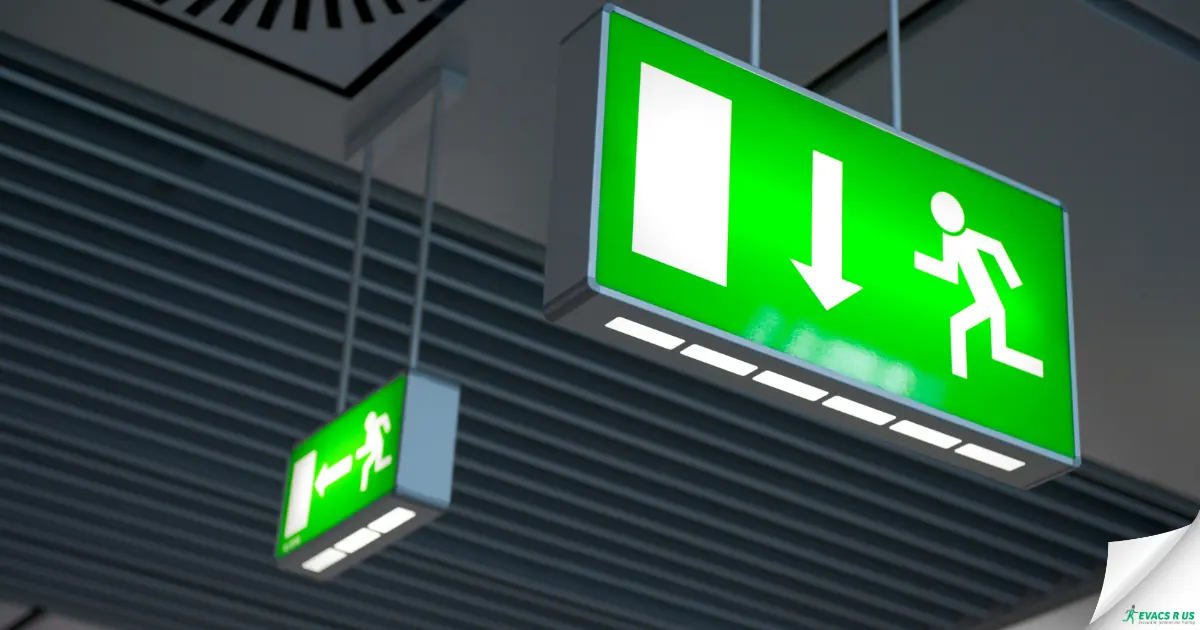
      running man emergency light


      Why Emergency Lighting Matters More Than You Think

      When the Lights Go Out – What Actually Happens?

      If the power goes out in an emergency, people instantly lose visual cues – doors, stairs, obstacles, and exit routes all become harder to see. That’s when panic, bottlenecks, and injuries can happen.

      Emergency lighting gives you precious clarity in those first few moments. It keeps escape routes visible, highlights exits, and helps staff, customers, and visitors move to safety quickly. Think of it as your building’s “backup vision” – when everything else goes dark, it guides people out.

      Legal and Safety Expectations in New Zealand Workplaces

      In Aotearoa, businesses have a duty of care to provide a safe workplace. That includes having a clear evacuation plan and the right life-safety systems in place – emergency lighting can be a key part of that.

      If your building is used by the public, has multiple levels, or relies on internal corridors and stairwells, emergency lighting isn’t just nice to have; it’s essential. Beyond compliance, it’s about being able to look your team in the eye and confidently say, “If something goes wrong, we’re ready.”


      Key Types of Emergency Lighting (And Where You Need Them)

      Exit Signs vs Emergency Lights – What’s the Difference?

      A lot of people mix these up, but they do different jobs.

      • Exit signs show where to go.
      • Emergency lights help you see the path.

      Exit signs are those illuminated green signs with arrows or the “running man.” Emergency lights, on the other hand, switch on during a power cut to light your escape routes. You need both: signs to show direction, lights to make escape safe.

      High-Risk Areas

      Not every corner of your site carries the same level of risk. Your IQP will be able to ensure you are compliant – especially in an emergency.

      Stairwells, Corridors, and Assembly Points

      Stairwells should be non-negotiable. A dark stairwell could be a broken ankle waiting to happen.

      Long internal corridors, warehouse aisles, plant rooms, and toilet blocks also need reliable emergency lighting. Don’t forget external exit paths leading to your assembly point — people need visibility from inside all the way out.

      For Southland and Central Otago, where early winter darkness and rough weather are common, strong external emergency lighting is a major safety advantage.


      Keeping Your Emergency Lighting Compliant and Reliable

      Regular Testing, Maintenance, and Records

      Emergency lighting isn’t “set and forget.” Batteries fail. Fittings get damaged. Layouts change.

      Regular testing is crucial to ensure everything works when it’s needed most. This usually includes:

      • Quick functional tests
      • Full duration tests
      • Clear records of checks and maintenance

      These will be checks that your IQP will do as part of the BWOF process — that small bit of effort now can prevents major issues later.

      How Emergency Lighting Fits Into Your Fire Drills & Evacuation Scheme

      Emergency lighting is part of your wider evacuation plan. During your fire drills,

      emergency lighting won’t activate maybe ask your provider to, simulate a power cut and walk the escape route:

      • Are there any dark spots?
      • Are exits clearly visible?
      • Would a new staff member know where to go?

      When lighting, signage, and evacuation training work together, evacuation becomes smooth, safe, and predictable — not chaotic.


      Need Help? Work With Local Fire Safety Specialists

      Unsure if your emergency lighting is up to standard? Many business owners inherit old systems and just hope they’ll work in an emergency — but hope isn’t a safety strategy.

      That’s where a trusted local specialist like Evacs R Us makes a real difference. We have relationships with other local companies and can recommend/refer the appropriate fit for your business.

      Evacs R Us in collaboration with other professionals supports businesses across Southland and Central Otago to:

      • Review and assess their current emergency lighting
      • Identify compliance issues or gaps
      • Align lighting with fire drills and evacuation schemes
      • Improve visibility, escape routes, and overall site safety

      If you want a practical, plain-English walkthrough of your building — room by room, exit by exit — get in touch with Evacs R Us. Their experienced team will help you make confident, compliant decisions so your people aren’t left in the dark when it matters most.

      Book with us

      You can book your course directly online through our online booking system. Simply pick your course, the number of people attending, and the desired dates to book a course time.
      Book Fire Suppression Image

      Book Fire Suppression

      Book Fire Warden Image

      Book Fire Warden

      Book Fire Warden Image

      Book Trial Evacuation


        Please take a note: Price is included in your Monthly Maintenance or by arrangement.

        Can I Light a Fire?

        FIRE SEASON STATUS NZ dial

        Understanding Fire Safety in New Zealand

        Lighting a fire might seem like a simple thing, but in New Zealand, it’s not always as straightforward as it sounds. Whether you’re planning to light a campfire or start a barbecue in your backyard, it’s crucial to understand when and where it’s safe and legal to do so. Fire regulations are in place to keep everyone safe, and it’s important to stay informed to avoid fines or worse, accidental fires.

        Legal Regulations for Lighting Fires

        Before you grab that match, ask yourself, “Can I light a fire?” New Zealand has specific fire regulations that must be followed. In some cases, you’ll need a fire permit, especially in rural or high-risk areas. If you’re unsure, always check. Fire restrictions are often based on weather conditions, so even if you’re in a legal zone today, that could change tomorrow.

        Fire Permits: Do You Need One?

        In many areas, you’ll need a fire permit. This applies especially in rural zones or places with dense vegetation. Want to know more about how to get one? Check the FENZ website. For your safety and the safety of others, always get the proper permissions before lighting a fire. Permits will come with conditions; read and understand these conditions. Even with a fire permit, you are legally and potentially financially liable to cover all costs of extinguishment if the fire becomes uncontrolled.

        Fire Ban Areas: Know Before You Go

        Certain areas of New Zealand are frequently placed under fire bans (some areas are permanently prohibited from fire activity) during the dry months, and for good reason. These bans help prevent the devastating effects of uncontrolled fires, protecting not only properties but also wildlife and the environment. Fires can quickly get out of control, especially in high-risk areas, so when you’re in a prohibited area, lighting a fire is simply not an option—no exceptions. It’s crucial to stay informed about the current fire season in your area before you even think about striking a match. Always double-check before lighting up to keep yourself, your property, and the beautiful natural surroundings safe.

        When Is It Safe to Light a Fire?

        It’s not just about rules—it’s about the right conditions. To avoid creating a dangerous situation, consider the following factors:

        • Weather: Dry and windy conditions can turn a small flame into a massive fire. Always check the weather forecast before lighting up.
        • Location: Stay clear of areas with lots of dry grass or trees. A simple breeze could make your fire go out of control.

        It’s always best to consult Fire Emergency NZ. If you’re unsure whether it’s safe to light a fire, visit Check It’s Alright for up-to-date advice on local fire risks and permits.

        What to Do in Case of an Emergency

        If your fire starts to spread, stay calm. Immediately call emergency services and follow their instructions. Don’t leave a fire unattended—always ensure it’s completely extinguished before walking away.

        Can You Light a Fire?

        So, can you light a fire? It depends on where you are and what the current fire conditions are. But don’t leave it to chance. Always check your local fire regulations before lighting a match.

        Get all the info you need from Check It’s Alright to make sure you’re acting safely and responsibly. Stay safe, stay informed, and let’s keep New Zealand’s beautiful landscapes protected.

        Book with us

        You can book your course directly online through our online booking system. Simply pick your course, the number of people attending, and the desired dates to book a course time.
        Book Fire Suppression Image

        Book Fire Suppression

        Book Fire Warden Image

        Book Fire Warden

        Book Fire Warden Image

        Book Trial Evacuation


          Please take a note: Price is included in your Monthly Maintenance or by arrangement.

          What is fire safety training?

          Woman completing fire training

          Fire safety is a critical aspect of workplace health and safety, and one of the most effective ways to ensure that your business is prepared for a fire emergency is through comprehensive fire and safety training. In New Zealand, businesses are increasingly recognising the importance of this training as part of their overall safety protocols. But what exactly does training involve, and why is it essential for your business? This article will explore the key components of fire safety training and its benefits.

          So, What Is Fire and Safety Training?

          Fire and safety training is a structured program designed to educate employees about fire prevention, emergency response, and evacuation procedures. This training equips your team with the knowledge and skills they need to act quickly and effectively in the event of a fire, minimising risks to life and property.

          In New Zealand, training is not just a best practice; for many businesses, it’s a legal requirement under the Fire and Emergency New Zealand (FENZ) Act 2017. Whether you run a small office or a large industrial facility, providing fire safety training can help ensure compliance with safety regulations and enhance overall workplace safety.

          Key Components of Fire and Safety Training

          A comprehensive fire safety training program typically covers several key areas:

          1. Fire Prevention

          The best way to deal with a fire is to prevent it from happening in the first place. Fire safety training educates employees on identifying potential fire hazards in the workplace, such as faulty electrical equipment, improper storage of flammable materials, and poor housekeeping practices. By understanding these risks, employees can take proactive steps to reduce the likelihood of a fire starting.

          2. Emergency Response Procedures

          In the event of a fire, knowing how to respond quickly and correctly is crucial. Fire safety training includes instruction on emergency response procedures, such as raising the alarm, using fire extinguishers, and assisting others in evacuating the building. Employees learn the importance of staying calm and following the established protocols to ensure a safe and orderly evacuation.

          3. Evacuation Drills

          Evacuation drills are an essential part of fire safety training. These drills simulate a real fire emergency, allowing employees to practise evacuating the building and reaching designated assembly points. Regular drills help reinforce the training and ensure that everyone knows what to do and where to go in an emergency.

          4. Use of Fire Safety Equipment

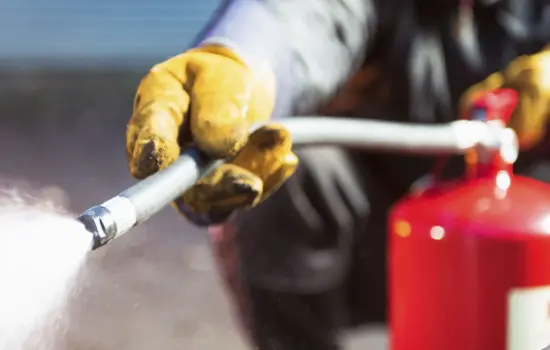
          Training also includes hands-on instruction on using fire safety equipment, such as fire extinguishers, fire blankets, and alarm systems. Employees learn which types of extinguishers to use for different types of fires (e.g., electrical, chemical, or grease fires) and how to operate them effectively.

          5. Understanding Fire Safety Signage

          Fire safety signs are crucial for guiding people during an emergency. Training covers the different types of fire safety signage, including exit signs, fire extinguisher locations, and assembly point markers. Understanding these signs ensures that employees can navigate safely and efficiently during an evacuation.

          6. Roles and Responsibilities

          In larger businesses, certain employees may be designated as fire wardens or safety officers. Fire safety training includes specific instruction for these roles, such as overseeing the evacuation process, conducting headcounts, and liaising with emergency services. Clear roles and responsibilities help ensure that the evacuation process is well-coordinated and effective.

          Why Is it Essential?

          There are several reasons why fire safety training is essential for businesses in New Zealand:

          1. Protecting Lives

          The primary goal of fire safety training is to protect the lives of employees, customers, and visitors. By equipping your team with the knowledge and skills to respond effectively to a fire, you can significantly reduce the risk of injury or loss of life.

          2. Minimising Property Damage

          A well-trained workforce can take quick action to control a small fire before it spreads, potentially saving your business from extensive property damage. Knowing how to use fire extinguishers correctly and when to evacuate can make a significant difference in minimising fire damage.

          3. Ensuring Compliance

          In New Zealand, businesses must comply with fire safety regulations, which often include requirements for fire safety training. Failure to meet these requirements can result in fines, legal action, and increased insurance premiums. Regular training helps ensure that your business meets all legal obligations.

          4. Promoting a Safety Culture

          Fire safety training promotes a culture of safety within your organisation. When employees understand the importance of fire safety and know how to respond in an emergency, they are more likely to take safety seriously in other aspects of their work as well. This can lead to a safer, more responsible workplace overall.

          How Often Should Fire and Safety Training Be Conducted?

          The frequency of fire safety training depends on several factors, including the size and nature of your business. However, it’s generally recommended that fire safety training be conducted at least annually, with additional sessions for new employees or when significant changes occur in the workplace, such as renovations or the introduction of new equipment.

          Regular training ensures that the information remains fresh in employees’ minds and that everyone is up-to-date with the latest safety protocols.

          Fire and safety training is a vital investment in the safety and well-being of your employees and your business. By providing comprehensive training on fire prevention, emergency response, and the proper use of fire safety equipment, you can create a safer workplace and ensure compliance with New Zealand’s fire safety regulations.

          Whether your business operates in a low-risk office environment or a high-risk industrial setting, fire safety training is essential to protecting lives and property. Partnering with a fire protection specialist can help you develop and deliver an effective training program tailored to your specific needs.

          Book with us

          You can book your course directly online through our online booking system. Simply pick your course, the number of people attending, and the desired dates to book a course time.
          Book Fire Suppression Image

          Book Fire Suppression

          Book Fire Warden Image

          Book Fire Warden

          Book Fire Warden Image

          Book Trial Evacuation


            Please take a note: Price is included in your Monthly Maintenance or by arrangement.

            When Is an Emergency Evacuation Scheme Activated?

            An emergency evacuation scheme is a crucial safety measure designed to protect lives and minimise risks during emergencies. But when exactly should your business’s emergency evacuation scheme be activated? Understanding the triggers and procedures for activating this scheme is vital to ensuring the safety of everyone on your premises. In this article, we’ll explore the key scenarios that warrant the activation of an emergency evacuation scheme and what steps to take when it happens.

            What Is an Emergency Evacuation Scheme?

            An emergency evacuation scheme is a structured plan that outlines the procedures for safely evacuating a building during an emergency. In New Zealand, businesses are required by the Fire and Emergency New Zealand (FENZ) Act 2017 to have an approved evacuation scheme for certain types of buildings.

            This scheme includes detailed instructions on evacuation routes, assembly points, and the roles and responsibilities of staff during an emergency. It’s designed to ensure a quick and orderly evacuation, reducing the risk of injury or loss of life.

            Paul looking over Evacuation plan

            When Should an Emergency Evacuation Scheme Be Activated?

            An emergency evacuation scheme should be activated whenever there is an immediate threat to the safety of occupants within the building. Common scenarios include:

            1. Fire or Smoke Detection

            The most obvious trigger for activating an emergency evacuation scheme is the detection of fire or smoke within the building. Whether the fire is small or large, immediate evacuation is crucial to prevent harm. In some cases, the activation of smoke detectors or fire alarms will automatically trigger the evacuation process.

            2. Gas Leak or Hazardous Material Spill

            If there is a gas leak or a spill of hazardous materials, the evacuation scheme should be activated immediately. These situations can escalate quickly, leading to toxic exposure, explosions, or fires. Quick action is essential to protect everyone in the vicinity.

            3. Natural Disasters

            In the event of natural disasters such as earthquakes, floods, or severe storms, activating the evacuation scheme may be necessary, depending on the severity of the situation. For instance, if a building is at risk of collapse during an earthquake, or if flooding is imminent, evacuation may be the safest course of action.

            4. Bomb Threats or Security Breaches

            If your business receives a bomb threat or experiences a significant security breach, such as an active shooter scenario, the evacuation scheme should be activated. These high-risk situations require a swift and coordinated response to ensure the safety of all employees and visitors.

            5. Structural Failures

            Any structural failure, such as a collapsed roof or compromised building integrity, can necessitate immediate evacuation. These situations are particularly dangerous and require quick action to prevent injury or fatalities.

            Evacuation Plan Evacs R Us

            How Is an Emergency Evacuation Scheme Activated?

            The activation of an emergency evacuation scheme typically follows a set protocol. Here’s a general outline of how it works:

            1. Detection of the Emergency: The first step is the detection of the emergency, whether through fire alarms, gas detectors, or visual confirmation by staff members.
            2. Alarm Activation: Once an emergency is detected, the fire alarm or emergency alert system should be activated to notify all occupants of the need to evacuate.
            3. Evacuation Coordination: Fire wardens or designated personnel take charge of coordinating the evacuation. This includes guiding employees and visitors to the nearest exits and ensuring that everyone follows the evacuation routes.
            4. Evacuation of the Premises: All occupants should evacuate the building immediately, following the designated routes to reach the assembly points safely. In some cases, elevators should not be used, and stairwells should be the primary evacuation route.
            5. Roll Call at Assembly Points: The warden(s)/designated persons should clear the whole building as detailed in the evacuation scheme procedures. Checking every room and area. In some rare scenarios a roll call may be conducted (mainly school scenarios).
            6. Await Further Instructions: After evacuation, employees should wait at the assembly point for further instructions from fire wardens or emergency services. They should not re-enter the building until it has been declared safe.

            Who Activates the Emergency Evacuation Scheme?

            The responsibility for activating the evacuation scheme typically falls to designated personnel, such as wardens, security staff, or senior management. These individuals need to be trained to recognise when an evacuation is necessary and how to carry out the procedure effectively.

            In some cases, the evacuation scheme may be automatically activated by fire alarm systems or other detection devices. However, manual activation is often required in situations like bomb threats or structural failures.

            Ensuring Your Emergency Evacuation Scheme Is Effective

            To ensure your emergency evacuation scheme is effective, it’s essential to:

            • Conduct Regular Drills: Regular fire and evacuation drills help employees become familiar with the procedures and identify any areas for improvement.
            • Review and Update the Scheme: Regularly review and update your emergency evacuation scheme to reflect changes in your business operations, building layout, or staff numbers.
            • Train Your Staff: Provide ongoing training for fire wardens and other key personnel to ensure they are prepared to act quickly in an emergency.

            An evacuation scheme is a vital tool for ensuring the safety of everyone in your business during a crisis. Knowing when and how to activate this scheme can make all the difference in protecting lives and minimising damage. By understanding the scenarios that require activation and maintaining a well-practised evacuation plan, your business can be better prepared for any emergency that comes its way.

            For businesses in New Zealand, partnering with a fire protection and evacuation specialist such as Evacs R Us can provide peace of mind, knowing that your evacuation scheme meets all legal requirements and is ready to be activated when needed.

            Book with us

            You can book your course directly online through our online booking system. Simply pick your course, the number of people attending, and the desired dates to book a course time.
            Book Fire Suppression Image

            Book Fire Suppression

            Book Fire Warden Image

            Book Fire Warden

            Book Fire Warden Image

            Book Trial Evacuation


              Please take a note: Price is included in your Monthly Maintenance or by arrangement.

              How often should you have a Fire drill?

              Fire drills (also known as trial evacuations) are a critical component of workplace safety, ensuring that employees know how to evacuate the premises quickly and safely in the event of a fire. But how often should your New Zealand business conduct a fire drill to maintain optimal safety and compliance? In this article, we’ll explore the importance of regular fire drills and provide guidance on how frequently they should be conducted.

              Why Are Fire Drills Important?

              A fire drill is more than just a routine exercise – it’s a life-saving measure.

              Regular fire drills:

              • Ensure preparedness: Employees who regularly practise evacuations are more likely to respond quickly and calmly in a real emergency.
              • Identify issues: Fire drills can highlight potential problems in your evacuation plan, such as blocked exits or unclear routes, allowing you to address these before an actual fire occurs.
              • Meet legal requirements: In New Zealand, certain businesses are required by law to conduct regular fire drills as part of their evacuation scheme. Even if your business is not legally required, regular drills are a best practice for safety.

              How Often Should You Conduct Fire Drills?

              The frequency of fire drills depends on several factors, including the size of your business, the type of building you occupy, and the specific risks associated with your operations. However, a general guideline for New Zealand businesses is to conduct a fire drill at least every six months.

              1. For High-Risk Environments

              Businesses operating in high-risk environments—such as manufacturing facilities, warehouses, and large office buildings—should conduct fire drills more frequently. In such cases, quarterly drills may be appropriate to ensure that all employees are familiar with evacuation procedures.

              1. For Smaller Businesses

              For smaller businesses or those in low-risk environments, conducting a fire drill every six months is usually sufficient. However, it’s important to assess your specific needs and adjust the frequency accordingly.

              1. When There Are Changes in Staff or Premises

              Any significant change in your business, such as moving to a new location or onboarding a large number of new employees, should prompt an additional fire drill. This ensures that everyone is familiar with the new environment and evacuation procedures.

              1. After Revising Your Evacuation Plan

              If you update your fire evacuation plan or introduce new fire safety measures, it’s crucial to conduct a fire drill to test the effectiveness of these changes and ensure that employees are aware of the new procedures.


              What Does the Law Say About Fire Drills in New Zealand?


              In New Zealand, the Fire and Emergency New Zealand (FENZ) Act 2017 sets out specific requirements for businesses regarding fire evacuation schemes and drills.

              If your building requires an approved evacuation scheme, you must conduct a trial evacuation at intervals of not more than six months. Failure to do so can result in penalties and puts your employees at risk in the event of an actual fire.


              Tips for Effective Fire Drills


              To maximise the effectiveness of your fire drills, consider the following tips:

              Simulate Real Conditions: Conduct drills at different times and under varying conditions to prepare employees for any situation.

              Involve Everyone: Ensure all employees, including those with disabilities, participate in fire drills. Assign roles such as fire wardens and ensure they are well-trained.

              Review and Improve: After each drill, review what went well and identify areas for improvement. Use feedback to refine your evacuation plan.

              Document Everything: Keep records of all fire drills, including the date, time, and any issues identified. This documentation can be essential for compliance and future reference.

              Communicate Clearly: Before each drill, remind employees of the importance of the exercise. After the drill, communicate the results and any changes to procedures.

              Regular fire drills are a vital part of your business’s fire safety strategy. By conducting drills at least every six months – or more frequently in high-risk environments – you ensure that your employees are prepared to respond swiftly and safely in the event of a fire. Remember, fire drills are not just about ticking a compliance box – they are about protecting lives and ensuring that your workplace remains safe and secure.

              Partnering with a fire protection and evacuation specialist such as Evacs R Us can help ensure your fire drills are effective and that your business meets all legal requirements in New Zealand. Don’t wait for an emergency to find out if your fire drill procedures are up to standard – make regular fire drills a priority in your safety program.

              Book with us

              You can book your course directly online through our online booking system. Simply pick your course, the number of people attending, and the desired dates to book a course time.
              Book Fire Suppression Image

              Book Fire Suppression

              Book Fire Warden Image

              Book Fire Warden

              Book Fire Warden Image

              Book Trial Evacuation


                Please take a note: Price is included in your Monthly Maintenance or by arrangement.

                Does your business need a Fire safety program?

                Fire Safety Program Evacuation Point sign on brick wall

                Fire safety is a crucial element of any business’s health and safety obligations in New Zealand. No matter the size of your company, having a robust fire safety program can protect your employees, assets, and reputation. If you’re unsure whether your business needs one, or if your current plan meets legal standards, this article will guide you through the essentials of fire safety programs.

                Why Is a Fire Safety Program Important?

                A fire can happen anytime, and the impact can be devastating. From loss of life to property damage and business disruption, fires pose a serious threat. Implementing a safety program ensures that your business is prepared to prevent fires and, if one occurs, respond quickly and efficiently. 

                In New Zealand, the Fire and Emergency New Zealand Act 2017 mandates that certain businesses have an evacuation scheme. Even if your business is not legally required to have one, putting a fire safety program in place is a proactive measure that could save lives and reduce risks.

                What Does the program involve?

                A fire safety program covers multiple aspects of fire prevention and response. Key components include:

                1. Fire Risk Assessment

                A thorough fire risk assessment is the starting point of any safety program. This involves identifying potential fire hazards in your workplace, evaluating the risk, and taking steps to minimise or eliminate those risks.

                1. Evacuation Scheme

                Having a well-documented and tested evacuation scheme is essential. This includes clear signage, designated exits, and assembly points. Training your staff to know how to evacuate safely is vital to ensure the scheme is effective in an emergency.

                1. Fire Wardens and Staff Training

                Appointing fire wardens and providing fire safety training are critical elements of your fire safety program. Fire wardens oversee fire prevention measures and coordinate evacuations. Regular fire drills ensure that staff are familiar with escape routes and procedures.

                1. Fire Equipment Maintenance

                Your fire extinguishers, alarms, and sprinkler systems should be regularly inspected and maintained. This ensures they are functional when needed. Working with a professional fire protection service provider can help ensure your equipment meets all safety standards.

                1. Ongoing Reviews and Updates

                A safety program is not a “set and forget” process. Regular reviews and updates to reflect changes in your business premises or staff numbers are necessary. Keeping your safety program current ensures compliance and continued protection.

                Who Needs a Fire Safety Program?

                The short answer is that every business should have some form of a fire safety program. However, specific requirements vary based on factors like the size of your business, the nature of your operations, and your premises.

                In New Zealand, businesses that meet certain criteria (also known as relevant buildings), must have a certified fire evacuation scheme. But even if your business doesn’t fall into these categories, a fire safety program is a sound investment in safety and compliance.

                Benefits of Implementing a Fire Safety Program

                1. Legal Compliance

                Meeting legal obligations is a fundamental reason to implement a safety program. Non-compliance can result in fines and penalties, and if an accident occurs, you could face legal action.

                1. Protecting Lives

                A well-planned safety program ensures that in the event of a fire, your employees know how to evacuate safely. This reduces the risk of injuries and fatalities.

                1. Reducing Property Damage

                By having fire detection and suppression systems in place, you can significantly reduce damage to your property. This can save you from costly repairs and business downtime.

                1. Reputation Management

                In the event of an emergency, having a safety program can help your business recover quickly and maintain a positive reputation. Customers and stakeholders will appreciate that you prioritise safety and responsibility.

                Getting Started: Partner with a Fire Protection Specialist

                If you’re ready to implement a fire safety program in your business, it’s essential to partner with a reputable fire protection specialist such as Evacs R Us. They can assess your needs, provide necessary equipment, and ensure you comply with New Zealand fire safety regulations.

                Every business should have a comprehensive safety program in place. Whether it’s legally required or simply a smart precaution, a well-executed program ensures that your business is prepared to prevent fires and respond effectively in an emergency. Protect your people, your property, and your future by investing in fire safety today.

                Book with us

                You can book your course directly online through our online booking system. Simply pick your course, the number of people attending, and the desired dates to book a course time.
                Book Fire Suppression Image

                Book Fire Suppression

                Book Fire Warden Image

                Book Fire Warden

                Book Fire Warden Image

                Book Trial Evacuation


                  Please take a note: Price is included in your Monthly Maintenance or by arrangement.

                  Why Every New Zealand Business Needs a Comprehensive Evacuation Plan

                  Fire safety planning is a fundamental aspect of protecting any business or organisation from the consequence of fire. A fire or other emergency can potentially cause irreparable damage
                  to a business, leading to catastrophic losses (life, property, reputation) or even permanent closure. This is why businesses in New Zealand need to adopt a comprehensive evacuation
                  plan*.

                  An evacuation scheme outlines procedures that should be followed in case of a fire. It is important to note that having an evacuation plan is not only a legal requirement in
                  New Zealand, but it also ensures the safety of your employees, customers, visitors, and your business property.

                  *Note – All relevant buildings in NZ are required to have a FENZ approved evacuation scheme. Buildings not meeting the “relevant building” criteria are required to have an evacuation
                  procedure this does not need to be approved by FENZ.


                  EVACS R US evacuation plan


                  Legal Requirements

                  In New Zealand, the law requires that all business premises, whether big or small, must have an evacuation procedure or scheme in place. The law mandates that all businesses
                  must take precautions to minimise the risk of fire and ensure that everyone is safe in case a fire or other emergency breaks out.

                  Failure to comply with these regulations can lead to fines, legal penalties, and even imprisonment. It is essential to have a well-planned and implemented evacuation plan to avoid any legal problems and ensure compliance.

                  Proactive Risk Management

                  Having an evacuation scheme in place also helps to identify potential fire risk areas. This allows businesses to take proactive steps to prevent fires from happening in the first place.
                  By conducting regular fire risk assessments and implementing preventative measures, you can significantly reduce the risk of fires occurring.

                  Employee Safety

                  Creating an evacuation plan also ensures the safety of your employees. Your employees spend a considerable amount of time in the workplace, and it’s your responsibility to ensure
                  their safety. A well-designed evacuation scheme identifies escape routes, assembly points, and procedures that should be followed during a fire or other emergency.

                  This information can be communicated to employees through training and regular fire drills. A clear understanding of the evacuation scheme reduces the potential for panic and ensures a
                  smooth and safe evacuation.

                  Protects Your Business Assets

                  Putting measures in place to protect your business property can be a significant investment. A fire can cause irreparable damage to your business and result in extensive financial
                  losses. However, with a well-planned evacuation scheme, you can ensure your business assets are as safeguarded from the consequence of fire as possible. Evacuation schemes should identify areas within the business that are more susceptible to fires and outline prevention systems such as sprinkler systems, alarms and fire extinguishers.

                  Above all, an evacuation scheme gives you peace of mind. Knowing that you have a well-managed and implemented evacuation scheme can help protect your business and
                  employees from the consequences of fire. Evacuation schemes need to be reviewed periodically, at least once a year (generally every six months during the trial evacuations/training), to ensure that they remain current and effective. A comprehensive evacuation scheme is not only a legal requirement but also a smart investment for your business as it shows that you promote a safe and secure environment for your staff. Don’t let your business operations remain more vulnerable to fire risk than they need to.

                  Plan today, and equip your business with the necessary tools to prepare, prevent or react to reduce the consequence of a fire or other emergency.

                  Book with us

                  You can book your course directly online through our online booking system. Simply pick your course, the number of people attending, and the desired dates to book a course time.
                  Book Fire Suppression Image

                  Book Fire Suppression

                  Book Fire Warden Image

                  Book Fire Warden

                  Book Fire Warden Image

                  Book Trial Evacuation


                    Please take a note: Price is included in your Monthly Maintenance or by arrangement.

                    Christmas Lights Safety Tips

                    The holiday season is a time of joy and celebration, and one of its most cherished traditions is decorating the Christmas tree. The twinkling lights adorning the tree creates a magical atmosphere that brings smiles to people’s faces. However, amidst the festive cheer, it’s essential to be aware of the potential fire hazards associated with Christmas lights. In this article, we will dive into the safety precautions and tips for choosing, installing, and maintaining them to ensure a fire-safe holiday season.

                    Christmas Tree Light

                    Fire Hazards Associated with Christmas Lights

                    Although the tradition of using lights on Christmas trees is beautiful, it comes with its share of fire hazards. It’s crucial to recognise these potential dangers to prevent accidents and keep your festivities safe.

                    Common fire hazards associated with Christmas tree lights include:

                    • Overloading Electrical Circuits – Plugging too many lights into a single socket can overheat the wiring and pose a fire risk.
                    • Damaged or Frayed Wires – Worn or damaged wires can expose live electrical components, leading to sparks and fires.
                    • Poor Quality Lights – Cheap or poorly manufactured lights may not meet safety standards and can ignite easily.
                    • Ignoring Safety Labels – Neglecting warning labels and instructions increases the risk of accidents.

                    Safety Precautions for Christmas Tree Lights

                    To ensure a fire-free holiday season, follow these safety precautions when using Christmas tree lights:

                    • Check Safety Certifications – Only purchase lights that have been tested and certified for safety by reputable organisations.
                      Don’t use any lights that have been prohibited to be sold in New Zealand.
                    • Inspect for Damage – Examine your lights before use, looking for frayed wires or other signs of wear.
                    • Avoid Overloading – Follow manufacturer recommendations for the maximum number of lights that can be connected in a single circuit.
                    • Unplug When Not in Use – Turn off and unplug the devices when you leave the house or go to bed.
                    • Keep Trees Well-Hydrated – A well-watered tree (if using a real tree) is less likely to catch fire if a problem does occur.

                    Choosing the Right Christmas Tree Lights

                    When selecting Christmas tree lights, consider these factors to enhance both safety and energy efficiency:

                    • LED Lights – Opt for LED lights as they produce less heat, reducing the risk of fire.
                    • Outdoor Lights vs. Indoor Lights – Use lights specifically designed for their intended location to ensure safety.
                    • Timer or Remote-Controlled Lights – Smart lighting options allow you to easily control your lights, reducing the risk of leaving them on for extended periods.

                    Maintenance and Care

                    Regular maintenance and care are essential to keeping your Christmas tree lights safe:

                    • Regularly Inspect Lights – Periodically check for damage, and replace any faulty lights promptly.
                    • Dispose of Damaged Lights – Discard damaged lights responsibly and replace them to avoid accidents.
                    • Store Lights Safely – After the holiday season, store lights in a cool, dry place to prevent damage.

                    Fire Safety during the Holiday Season

                    Beyond being cautious with Christmas tree lights, remember these general fire safety tips:

                    • Keep flammable materials away from heat sources.
                    • Install and test smoke detectors regularly.
                    • Have a fire extinguisher on hand and know how to use it.
                    • Develop and practice a fire escape plan with your family.

                    The tradition of adorning Christmas trees with lights is a beloved part of the holiday season. However, it’s crucial to prioritise safety and take precautions to avoid fire hazards. By choosing the right lights, installing them correctly, and practising regular maintenance, you can ensure a festive and fire-safe holiday. As always, ensure your home has an escape plan or your business has an evacuation scheme in place. Embrace joy of the season, and let the glow of your Christmas tree lights fill homes and businesses with happiness.

                    Book with us

                    You can book your course directly online through our online booking system. Simply pick your course, the number of people attending, and the desired dates to book a course time.
                    Book Fire Suppression Image

                    Book Fire Suppression

                    Book Fire Warden Image

                    Book Fire Warden

                    Book Fire Warden Image

                    Book Trial Evacuation


                      Please take a note: Price is included in your Monthly Maintenance or by arrangement.