Don’t Let Your Harvest Burn: Why Extinguisher Training is Essential for Every Seasonal Crew

It’s mid-season in Central Otago. The sun is scorching the schist, the cherries are ripe, and your team is working at breakneck speed. But in these bone-dry conditions, a single spark from a tractor or a discarded cigarette can turn a profitable harvest into a landscape of ash in minutes. Are your seasonal workers ready to react, or will they be left frozen when the smoke appears?


Extinguisher Training is Essential for Every Seasonal CrewCentral Otago’s Summer: A Beautiful Ticking Time Bomb

From the vineyards of Gibbston to the orchards of Roxburgh, summer is high-stakes. The combination of dry fuel and heavy machinery makes fire an ever-present threat. When you’ve got a revolving door of seasonal staff, you can’t assume they know how to handle an emergency. Fire extinguisher training isn’t just a compliance box to tick; it’s the only thing standing between a small flare-up and a total loss.


New Crews, New Risks

Whether you’re in Queenstown or Invercargill, your team is your first line of defence. If they aren’t trained, that red canister on the wall is just an expensive paperweight. At Evacs R Us, we bring the training to you, ensuring your crew knows exactly how to protect your livelihood.


Safe Crops, Safe People

A fire won’t wait for your harvest to finish. Investing a few hours in training with Evacs R Us ensures your people, your property, and your profits stay safe this summer. Don’t leave your season to chance—get your team fire-ready today.

Book with us

You can book your course directly online through our online booking system. Simply pick your course, the number of people attending, and the desired dates to book a course time.
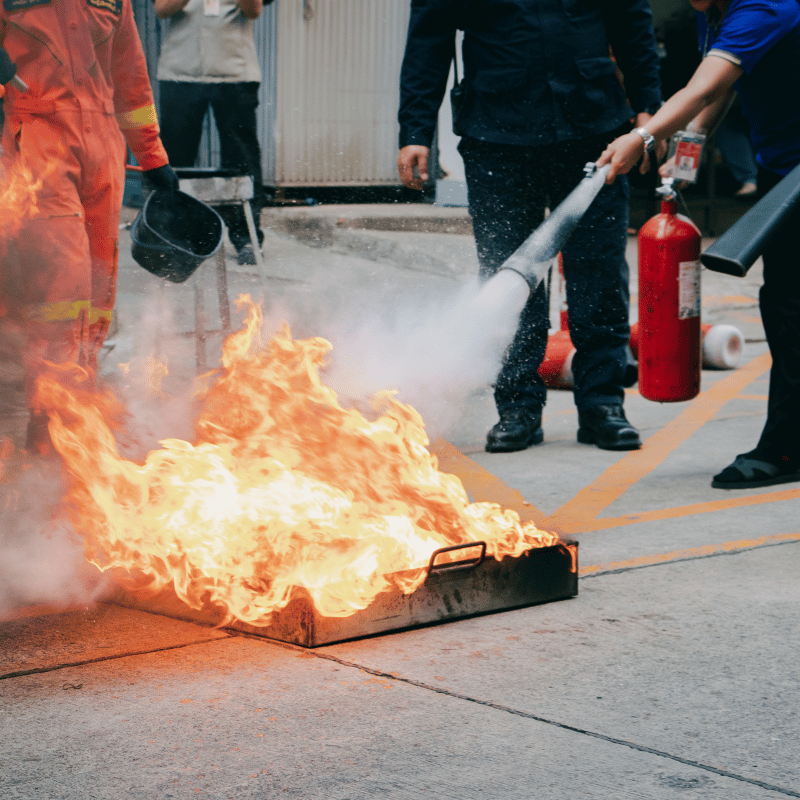
Book Fire Suppression Image

Book Fire Suppression

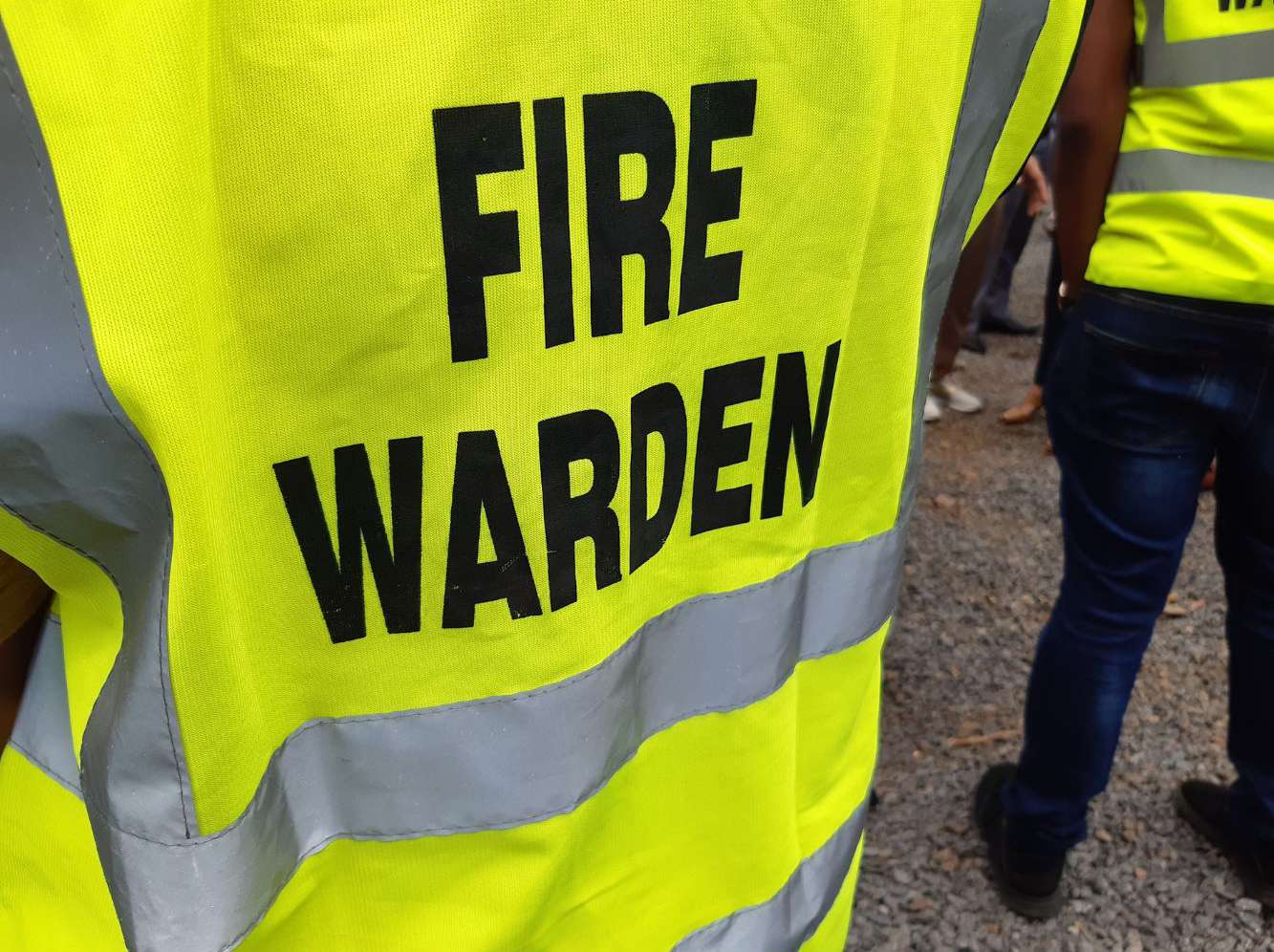
Book Fire Warden Image

Book Fire Warden

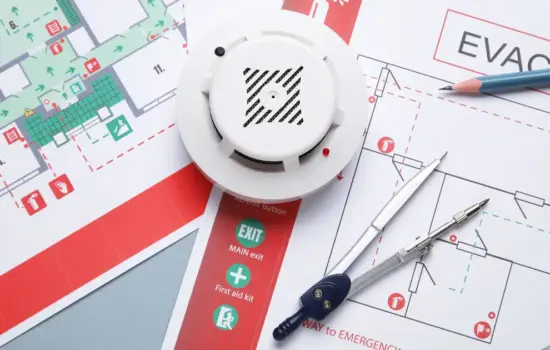
Book Fire Warden Image

Book Trial Evacuation


    Please take a note: Price is included in your Monthly Maintenance or by arrangement.

    Why a Multicultural Workforce Demands a Smarter Evacuation Strategy

    Imagine a busy Friday night in a Queenstown resort. You’ve got staff from South America, guests from East Asia, and a management team from right here in Southland. If the fire alarm rings, does everyone know what to do? In a town as vibrant and diverse as ours, a “standard” fire evacuation scheme isn’t just boring—it’s potentially dangerous. At Evacs R Us, we’ve seen that the best schemes aren’t just about ticking a box for Fire and Emergency NZ; they’re about making sure every single person, regardless of their first language, knows the path to safety when the smoke starts to roll in.


    Why a Multicultural Workforce Demands a Smarter Evacuation Strategy

    Breaking the Language Barrier in an Emergency

    Why is a multicultural lens so important? Think of your evacuation plan like a mountain bike trail at Skyline; if the signage is confusing, someone is going to take a wrong turn. In a high-pressure situation, people often revert to their native language. If your evacuation scheme relies solely on complex English jargon, you’re essentially leaving safety up to chance. A robust scheme for a Queenstown or Central Otago business should use intuitive symbols and clear, universal directives. Are your assembly points easy to find for someone who arrived in New Zealand yesterday? If not, your scheme is a house of cards waiting for a breeze.


    The Fire Warden: Your Cultural Safety Anchor

    This is where your fire warden training kicks into high gear. A great warden isn’t just someone who wears a high-vis vest and yells; they are the calm in the storm. For businesses in Invercargill or the Mackenzie Country, training wardens to lead a diverse group is a superpower. It’s about more than just checking toilets; it’s about clear communication and understanding that different cultures might react to authority and alarms in different ways. Is your warden equipped to lead a kitchen crew that speaks three different languages?


    Local Experts for Local Landscapes

    From the windy streets of Invercargill to the alpine reaches of Queenstown, Evacs R Us knows the local terrain. We don’t just give you a template; we build a living document that reflects your team. A good evacuation scheme is a promise to your staff that you value their lives as much as your bottom line. Is it time to stop crossing your fingers and start securing your site? Let’s get your team trained and your schemes sorted before the next siren sounds.

    Book with us

    You can book your course directly online through our online booking system. Simply pick your course, the number of people attending, and the desired dates to book a course time.
    Book Fire Suppression Image

    Book Fire Suppression

    Book Fire Warden Image

    Book Fire Warden

    Book Fire Warden Image

    Book Trial Evacuation


      Please take a note: Price is included in your Monthly Maintenance or by arrangement.

      Evacuation Schemes: Compliance Without Complexity

      Evacuation Schemes: Compliance Without ComplexityNavigating the regulatory landscape of fire safety can often feel like an overwhelming administrative burden. For many business owners, the term “evacuation scheme” evokes images of dense manuals, exorbitant consulting fees, and a labyrinth of legal requirements. However, ensuring the safety of your premises in Invercargill, Queenstown, and across Central Otago should not be a source of stress. At Evacs R Us, we believe that an effective evacuation scheme is defined by its clarity rather than its complexity. A streamlined, well-conceived plan is far more effective in a crisis than a convoluted document that gathers dust on a shelf.


      The Importance of an Efficient Evacuation Strategy in Central Otago

      In the southern regions of New Zealand, we value practical, reliable solutions. Whether you are managing a retail space in the heart of Invercargill or a hospitality venue in bustling Queenstown, your fire safety strategy must be actionable. An over-engineered plan often leads to hesitation during an emergency, whereas a simplified approach ensures that everyone knows their role instinctively.


      Debunking the High Cost of Fire Safety Compliance

      A common misconception is that achieving full compliance with Fire and Emergency New Zealand (FENZ) standards requires a significant financial investment. Many providers overcomplicate the process, leading to unnecessary costs. In reality, safety and affordability are not mutually exclusive. By focusing on the core requirements of your specific site, you can achieve a robust safety standard without inflating your operational budget.


      Key Components of a Functional Evacuation Plan

      What truly makes an evacuation scheme successful? It is not the thickness of the folder, but the logic of the layout. Essential elements include clearly marked exit routes, accessible assembly points, and a protocol that is easy for every staff member to memorise. We strip away the unnecessary “filler” to provide a scheme that satisfies all legal obligations while remaining highly functional for your team.


      Safety Excellence Through Simplicity

      Ultimately, the goal of an evacuation scheme is to protect lives and provide peace of mind. By partnering with Evacs R Us, you ensure that your business remains compliant and your staff stays safe through a process that is transparent and straightforward. You don’t need a complex manual; you need a plan that works. Let us help you simplify your fire safety obligations today.

      Book with us

      You can book your course directly online through our online booking system. Simply pick your course, the number of people attending, and the desired dates to book a course time.
      Book Fire Suppression Image

      Book Fire Suppression

      Book Fire Warden Image

      Book Fire Warden

      Book Fire Warden Image

      Book Trial Evacuation


        Please take a note: Price is included in your Monthly Maintenance or by arrangement.

        Don’t Get Burned by Practice: Common Fire Drill Blunders in the South

        Ever stood out in the biting Invercargill wind during a fire drill, watching your team wander toward the assembly point like they’re looking for a lost sheep? We’ve all been there. But here’s the cold, hard truth: a sloppy drill is arguably worse than no drill at all. It builds a false sense of security that could crumble the moment a real emergency hits. At Evacs R Us, we’ve seen it all across Central Otago and Southland, and we’re here to make sure your next practice run isn’t just a box-ticking exercise.


        Common Fire Drill MistakesWhy Your “Standard” Fire Drill Might Be Failing You

        Most businesses treat fire drills like an annoying interruption to their morning coffee. But if you aren’t testing your systems under pressure, you aren’t really testing them. Think of a fire drill like a rugby practice; if you only walk through the plays, you’re going to get tackled hard come game day.


        The “Not My Job” Syndrome: Fire Warden Confusion

        One of the biggest hiccups we see is a lack of clear leadership. When the alarm blares, people look for a vest. If your Fire Wardens aren’t confident in their sweep zones or haven’t had recent training, the whole evacuation turns into a game of “after you.”


        The Danger of Predictability in Training

        Are you running your drills at 10:00 AM every Tuesday? If your team knows exactly when the “surprise” is coming, they aren’t learning to react—they’re just following a schedule. Real fires don’t check your calendar.


        Common Fire Drill Mistakes We See in Southland & Otago

        Treating the Assembly Point Like a Social Club

        Once people hit the fresh air, they tend to relax. They start chatting about the weekend or checking their phones. But the drill isn’t over until the roll call or building clearance is 100% complete. If the Building Warden can’t account for everyone or every area because the group is scattered and socialising, that’s a fail. In a real fire, a missing person means a firefighter has to risk their life going inside to search.

        Ignoring the “Hidden” Hazards

        Does your evacuation route involve a door that’s usually propped open but shouldn’t be? Or maybe a staircase that gets icy in the winter? If you aren’t accounting for the actual conditions of your local environment, your plan is just paper.


        Why Professional Training Matters

        We don’t just hand out clipboards and watch the clock. At Evacs R Us, we provide expert fire warden training and evacuation schemes tailored to the unique needs of our Southern communities. We help you identify those “oops” moments before they become “oh no” moments.


        Don’t Leave Your Safety to Chance

        At the end of the day, a fire drill is about building muscle memory. You want your team to move with purpose, lead with confidence, and stay safe so everyone makes it home for tea. Don’t let a simple mistake or a lack of preparation undermine your business’s safety. Whether you’re based in the heart of Invercargill, the hills of Queenstown, or anywhere across Central Otago, Evacs R Us is ready to sharpen your team’s edge. Are you ready to turn your “standard” drill into a life-saving skill? Give us a shout at Evacs R Us today—let’s get your fire warden training and evacuation schemes sorted properly!

        Book with us

        You can book your course directly online through our online booking system. Simply pick your course, the number of people attending, and the desired dates to book a course time.
        Book Fire Suppression Image

        Book Fire Suppression

        Book Fire Warden Image

        Book Fire Warden

        Book Fire Warden Image

        Book Trial Evacuation


          Please take a note: Price is included in your Monthly Maintenance or by arrangement.

          Don’t Just Sit There: The Best Questions to Grill Your Fire Safety Trainer

          We’ve all been in those training sessions where the room is silent enough to hear a pin drop. But here’s a secret: the best fire safety training isn’t a monologue; it’s a conversation. When the Evacs R Us team rolls into your Queenstown hotel or your Central Otago warehouse, we aren’t just there to recite the law. We are there to make sure you survive. The difference between a “passable” training day and one that actually saves your skin usually comes down to the questions you’re brave enough to ask. So, what should you be pestering your trainer about?
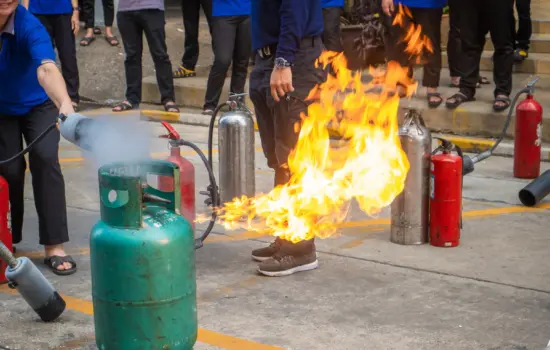

          Questions fire safety training

          The Power of the “What If” Scenario

          A great question to lead with is: “If our main assembly point is blocked or unsafe, where is our secondary ‘Muster spot’?” In the heat of the moment, people follow habits. If your usual meeting spot is across a busy Invercargill road that’s currently icy or blocked by emergency vehicles, you need a Plan B. Asking this forces everyone to look at the building layout with fresh eyes. It turns a static map into a living, breathing escape plan. Have you ever thought about what happens if a fire starts right in front of the only exit door? That’s the kind of “what if” that keeps you sharp.

          Navigating the Southern Elements: Ice, Snow, and Fire

          Living in the deep south means we have unique hurdles. A brilliant question for any Fire Warden in Central Otago is: “How do we manage an evacuation when our external fire stairs are covered in black ice or a foot of snow?” Fire safety doesn’t happen in a vacuum—it happens in the middle of a Kiwi winter. Asking about environmental factors ensures your evacuation scheme isn’t just a fair-weather plan.


          Technical Queries That Actually Matter

          You should also get technical. Ask your trainer: “Can you show me exactly how to tell if this extinguisher is still pressurised without just looking at the tag?” Or better yet, ask: If I use a CO2 extinguisher in this small, unventilated server room, am I putting myself at risk?” These aren’t just “nerdy” details; they are the bits of knowledge that prevent you from making a bad situation worse.

          Choosing Your Weapon: Extinguisher Specifics

          Knowing which red bottle to grab is half the battle. Ask: “In our specific breakroom, what’s the biggest mistake people make with a fire blanket?” Usually, people throw them on and then peek underneath too soon, letting oxygen back in. Getting these practical tips from an Evacs R Us pro ensures you use your equipment like a seasoned vet rather than a terrified amateur.

          The “Invisible” Hazards in Your Workplace

          Every workplace has a “junk drawer” or a corner where the old monitors go to die. Ask your trainer to point out the biggest fire hazard in your specific room that you might be walking past every day. Often, it’s a daisy-chained power board or a propped-open fire door. Identifying these “invisible” risks during training means you can fix them before they ever spark.


          Evacs R Us: We Love the Tough Questions

          At Evacs R Us, we thrive on your curiosity. We’ve spent years responding to emergencies across Southland and Otago, and we know that a team that asks questions is a team that stays calm. We don’t want you to just nod your head; we want you to challenge us. If you’re worried about how to get a specific piece of heavy machinery shut down safely or how to evacuate a customer who is panicking, ask us!


          Curiosity is Your Best Safety Tool

          Fire safety training is your “free pass” to make mistakes and ask “dumb” questions in a safe environment. Don’t waste the opportunity. The next time we’re on-site at your business, come prepared to dig deep. Remember, the only bad question is the one you didn’t ask before the smoke started rising. Stay safe, stay curious, and let’s keep the south fire-ready!


          Book with us

          You can book your course directly online through our online booking system. Simply pick your course, the number of people attending, and the desired dates to book a course time.
          Book Fire Suppression Image

          Book Fire Suppression

          Book Fire Warden Image

          Book Fire Warden

          Book Fire Warden Image

          Book Trial Evacuation


            Please take a note: Price is included in your Monthly Maintenance or by arrangement.

            5 Golden Rules for Fire Extinguisher Training in the Deep South


            Golden Rules for Fire Extinguisher Training

            Imagine this: it’s a crisp Tuesday morning in Queenstown, the coffee is brewing, and suddenly, a small electrical fire sparks in the breakroom. Do your staff freeze like a deer in the headlights, or do they move with the confidence of a pro? Having fire extinguishers on the wall is only half the battle; knowing how to use them without causing more chaos is where the real magic happens. At Evacs R Us, we’ve seen that the difference between a minor “whoopsie” and a total site evacuation often comes down to five simple principles. Let’s dive into the five golden rules that make fire extinguisher training actually stick.


            Rule 1: Identify Before You Ignite

            Not all fires are created equal, and using the wrong extinguisher is like bringing a knife to a gunfight—it’s just not going to end well. Good training teaches your team to instinctively check the label. You wouldn’t throw water on a fat fire in a commercial kitchen in Cromwell, would you? Understanding the difference between Powder, CO2, Wet Chemical and Foam is the foundation of any safe response.


            Rule 2: The PTASS Method is Your Best Mate

            When the adrenaline hits, your brain tends to go on holiday. That’s why we hammer home the PTASS acronym: Pull the pin, Test the extinguisher, Aim at the base of the fire (not the flames!), Squeeze the handle, and Sweep side to side. It’s a rhythmic, simple sequence that turns panic into a programmed response. If you can’t recite PTASS in your sleep, you aren’t trained yet!


            Rule 3: Respect the Reach

            A common mistake is getting too close too fast or standing so far back that the suppressant evaporates before it hits the target. Training shows you the “sweet spot”—usually about 1.5 to 2.5 metres back. You need to respect the pressure behind that canister; it’s got a fair bit of kick, and you want to use that force to push the fire away from you, not scatter it around the room like confetti. 


            Rule 4: The ‘Fight or Flight’ Assessment

            This is the most important rule we teach at Evacs R Us. Before you even touch that red bottle, you must ask: “Can I actually win this?” If the fire is larger than a wastepaper basket or if the smoke is getting thick enough to chew, it’s time to bail. Training gives your team the wisdom to know when to be a fire-fighter and when to be a fast-runner.


            Rule 5: Get Hands-On with Live Simulations

            You can’t learn to drive a car by reading a manual, and you certainly can’t master fire safety just via a PowerPoint slide. The golden rule of effective training is muscle memory. We get our trainees in Invercargill and Central Otago to actually feel the weight, pull the pin, and experience the discharge. Once you’ve done it for real in a controlled environment (Virtual Reality), the “real thing” becomes a whole lot less scary.


            Is Your Team Ready for the Heat?

            Fire safety isn’t just about compliance; it’s about looking after the people who make your business thrive. Whether you’re in the heart of Southland, Queentown or Central Otago, Evacs R Us is here to ensure your team is sharp, skilled, and ready for anything.

            Book with us

            You can book your course directly online through our online booking system. Simply pick your course, the number of people attending, and the desired dates to book a course time.
            Book Fire Suppression Image

            Book Fire Suppression

            Book Fire Warden Image

            Book Fire Warden

            Book Fire Warden Image

            Book Trial Evacuation


              Please take a note: Price is included in your Monthly Maintenance or by arrangement.

              How Often Should You Refresh Your Fire Warden Training?


              Whether you’re running a busy hotel in the heart of Queenstown or managing a warehouse in Invercargill, the safety of your team is a massive weight on your shoulders. You’ve got your fire extinguishers serviced and your evacuation schemes sorted, but there’s a nagging question that often gets pushed to the bottom of the “to-do” list: how often do your fire wardens actually need to be trained? Is it a “one-and-done” deal, or should it be as regular as your morning flat white? At Evacs R Us, we’ve seen that the difference between a calm evacuation and total chaos often boils down to how fresh that training is in a warden’s mind.


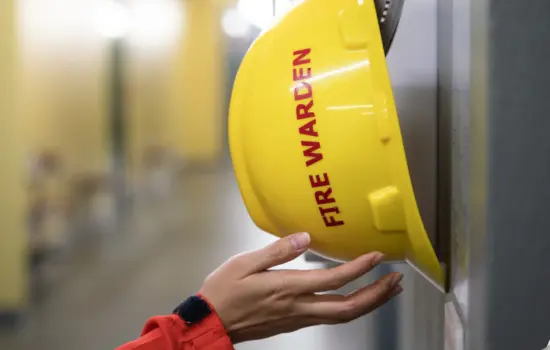
              Refresh Fire Warden Training yellow hatThe “One and Done” Myth: Why Training Isn’t a Lifetime Membership

              Let’s be real—human memory is a leaky bucket. You might have aced your fire warden course back in 2022, but if an alarm screams today, do you remember the exact sequence of clearing the floor or the specific nuances of your building’s assembly point? Probably not. Training isn’t a certificate you hang on the wall and forget; it’s a perishable skill. Think of it like a professional athlete—they don’t just learn the rules of the game once; they practice every week. Why should life-saving safety skills be any different?


              Regulatory Requirements vs. Best Practice in New Zealand

              In New Zealand, the Fire and Emergency New Zealand (FENZ) regulations are pretty clear about maintaining a functional evacuation scheme. While the standard “bare minimum” might suggest a two-yearly review, best practice tells a different story. If you’re only checking in on your training every two years, you’re leaving a massive gap for complacency to creep in.


              The Six-Month Sweet Spot for Southern Businesses

              Here at Evacs R Us, we generally recommend an informal “top-up” or refresher every six months during your fire drill. Why? Because six months is just long enough for people to get comfortable—and comfort is the enemy of safety. A quick, high-impact refresher keeps the adrenaline-mapped pathways of the brain sharp. It ensures that when the smoke starts to roll, your wardens act on instinct rather than hesitation.


              The Impact of Seasonal Staff and High Turnover

              If half your team changes between the ski season and the summer rush, your fire warden structure can crumble overnight. This is where regular training becomes non-negotiable. You can’t afford to have your only trained warden be a backpacker who hopped on a plane to Bali three weeks ago. In these high-turnover environments, training needs to be a constant pulse, not a yearly event. Are you sure the person holding the clipboard today actually knows where the fire exit leads?


              Don’t Wait for the Smoke to Clear

              At the end of the day, fire warden training is an investment in your people’s lives. In Invercargill and beyond, we pride ourselves on looking out for our mates. Don’t let your safety standards slide just because “nothing has happened yet.” Keeping your wardens sharp with regular sessions from Evacs R Us, ensuring that if the worst happens, your team is ready to lead. Ready to get your team up to scratch?

              Book with us

              You can book your course directly online through our online booking system. Simply pick your course, the number of people attending, and the desired dates to book a course time.
              Book Fire Suppression Image

              Book Fire Suppression

              Book Fire Warden Image

              Book Fire Warden

              Book Fire Warden Image

              Book Trial Evacuation


                Please take a note: Price is included in your Monthly Maintenance or by arrangement.