Organising emergency workplace procedures frequently involves navigating a maze of compliance terms, qualification codes, and safety acronyms. For operations managers, business owners, and HR professionals looking to fulfil local safety requirements, training nomenclature can quickly blur together.
A frequent source of confusion during workplace safety planning is understanding what is the difference between fire safety suppression training and fire warden training.
While these two terms sound remarkably similar, they represent entirely distinct levels of responsibility, curriculum depth, and legal purpose. Implementing a safe and fully compliant work environment requires a clear understanding of who needs which course and how they function together during a crisis.
-
Defining the Core Differences
The primary distinction between the two courses comes down to the scope of responsibility. One course is designed to protect an individual worker, while the other trains specific leaders to protect the entire facility and everyone inside it.
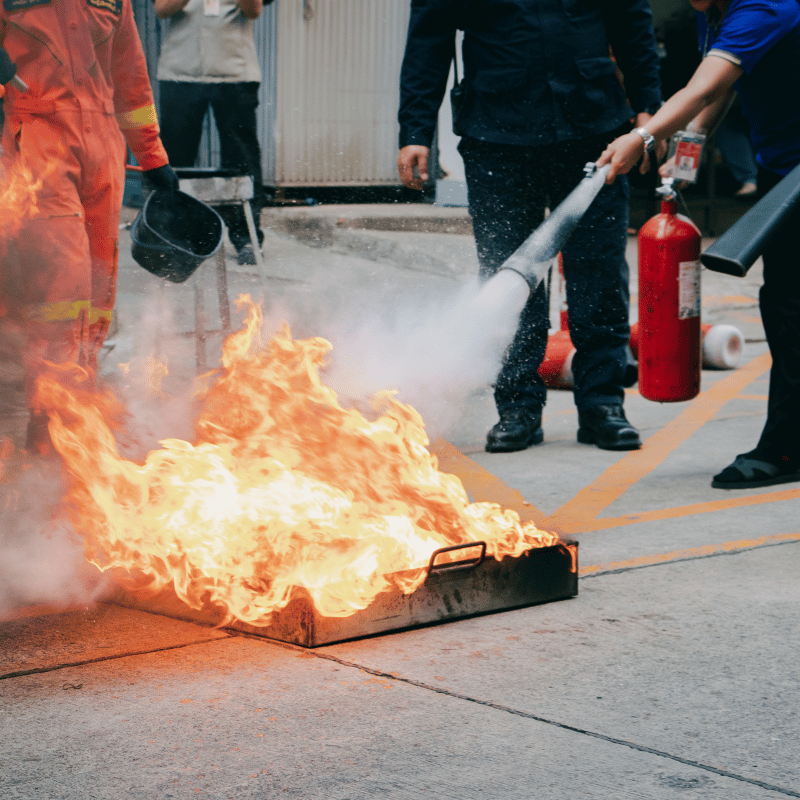
- Fire Safety Suppression Training (The Universal Skillset): This foundational course is designed for your general workforce. It teaches the basic physics of fire, how to recognise hazards, and how to safely operate hand-held safety equipment like extinguishers and fire hose reels. The primary focus is personal survival, awareness, and immediate suppression of minor blazes.
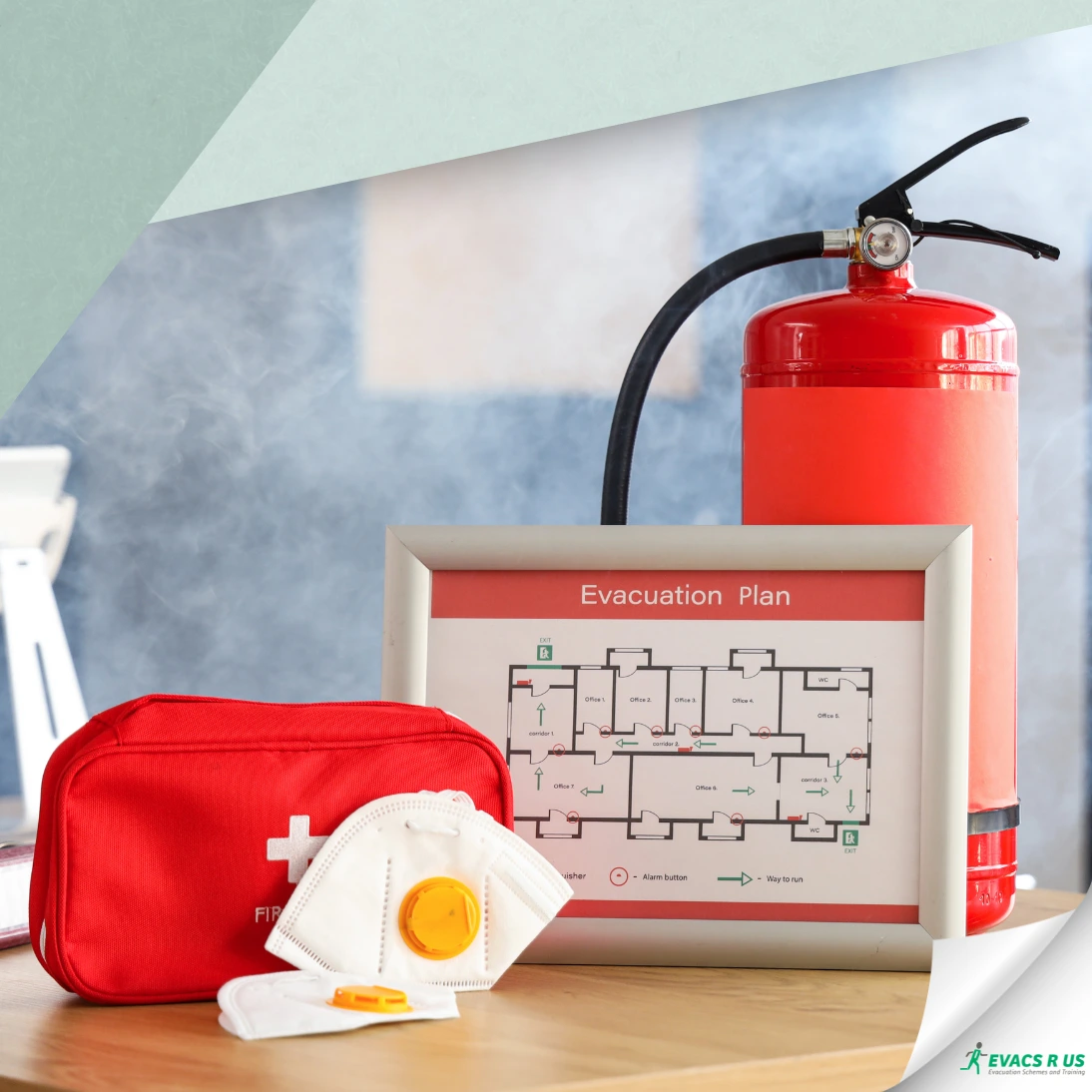
- Fire Warden Training (The Leadership Skillset): This specialised course is reserved for designated safety leaders within your business. It covers evacuation coordination, building layout sweeps, management of Fire and Emergency New Zealand (FENZ) approved evacuation schemes, and leadership during a major structural crisis.
Comparing Curriculum and Scope Side-by-Side
To see how these programs function on a practical level, it is helpful to look at the specific skills taught in each separate course stream.
| Feature | Fire Safety Suppression Training | Fire Warden Training |
| Target Audience | All general staff and team members | Designated Fire Wardens and Chief Building Wardens |
| Primary Objective | Personal safety and initial fire suppression | Crowd control, building clearing, and evacuation |
| Key Topics Covered | Fire science basics, extinguisher types, hazard checks | FENZ scheme rules, Warden & legal responsibilities, and this includes Fire Safety (suppression) training |
Fire Safety Training: Focus on Initial Suppression
General safety training focuses primarily on personal prevention and immediate reactive skills. In a typical session, staff learn about the fire triangle and how different extinguishing agents work.
Trainees learn why using water on an electrical or cooking oil fire is a dangerous mistake, and they practice selecting the correct alternative—such as carbon dioxide (CO2) or dry powder extinguishers.
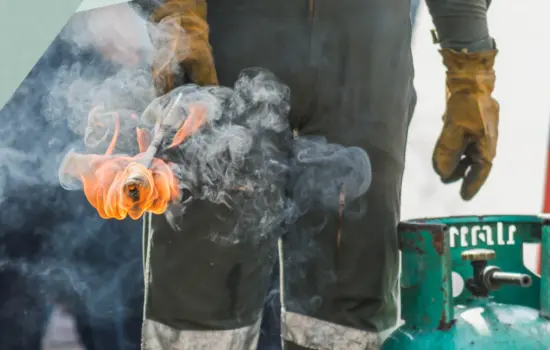
This level of education is highly recommended for all employees to keep your business aligned with basic obligations under the Health and Safety at Work Act 2015. It ensures that if a toaster catches fire in the staff room, any employee standing nearby can act decisively to stop the fire before it spreads.
Fire Warden Training: Focus on Evacuation and Command
When a fire alarm sounds, and a building must be completely cleared, general staff members have one simple duty: drop what they are doing and evacuate immediately. Fire Wardens, however, must step into a structured command role.
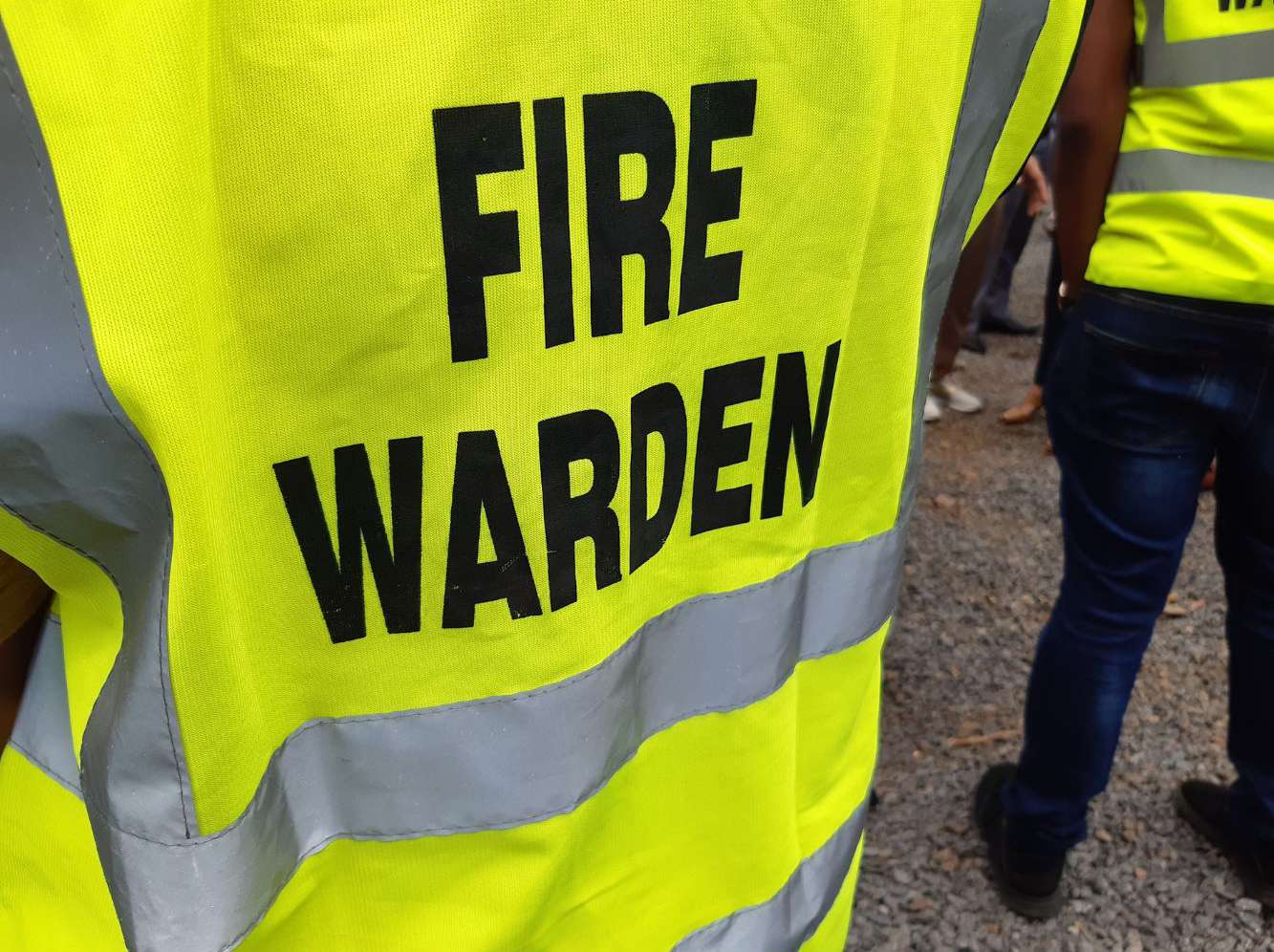
A certified Fire Warden does not run out of the building immediately. Instead, they put on their Warden identifier (e.g. jerkin/vest) and execute a highly systematic sweep of their assigned floor zone. They check bathrooms, meeting rooms, and deep storage alcoves to ensure no one is left behind. They manage staff assembly points, keep accurate roll-call logs, and provide critical structural updates to the professional fire crews the moment emergency vehicles arrive on site.
How They Work Together for NZ Business Compliance
Relying on one training stream without the other leaves a dangerous gap in your workplace safety strategy. If your team only has general safety skills, they might know how to put out a small bin fire, but your building could descend into chaos during a full structural evacuation due to a lack of leadership.
Conversely, if you only train a couple of Fire Wardens, those individuals cannot be everywhere at once to catch everyday electrical hazards or manage an immediate appliance flare-up.
At Evacs R Us, we ensure your business hits the perfect balance of theory and hands-on learning across Southland, Central Otago, and the Lake District. Founded by professional firefighting personnel, our emergency service experts teach your team based on real field knowledge rather than just textbook theory.
We utilise advanced immersive Virtual Reality (VR) environments to make sure the training genuinely sticks.
Secure Your Workplace Safety Plan Today
Understanding what is the difference between fire safety (suppression) training and fire warden training makes it simple to structure an effective safety schedule. Whether you need to upskill your general workforce on extinguisher handling, train a new block of corporate Fire Wardens, or draft a certified evacuation scheme from scratch, our local team is ready to assist.
Invest in cost-effective, eco-conscious, and practical training that actively protects your team and your commercial assets. Contact Evacs R Us today to book a layout consultation or schedule a certified training session for your company.