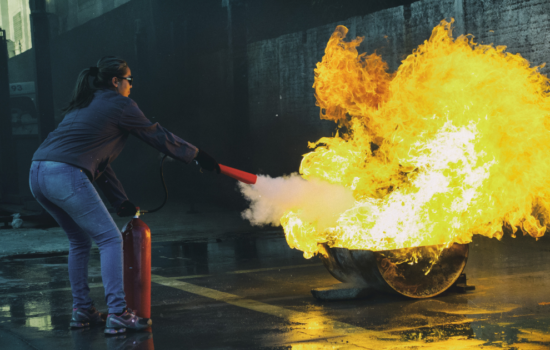
5 Golden Rules for Fire Extinguisher Training in the Deep South


Golden Rules for Fire Extinguisher Training

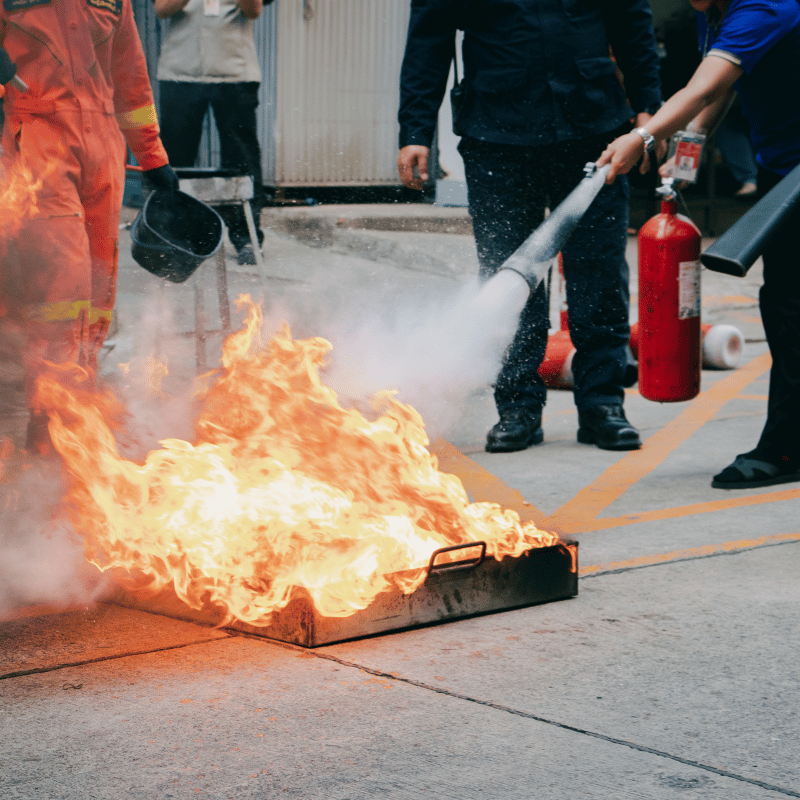
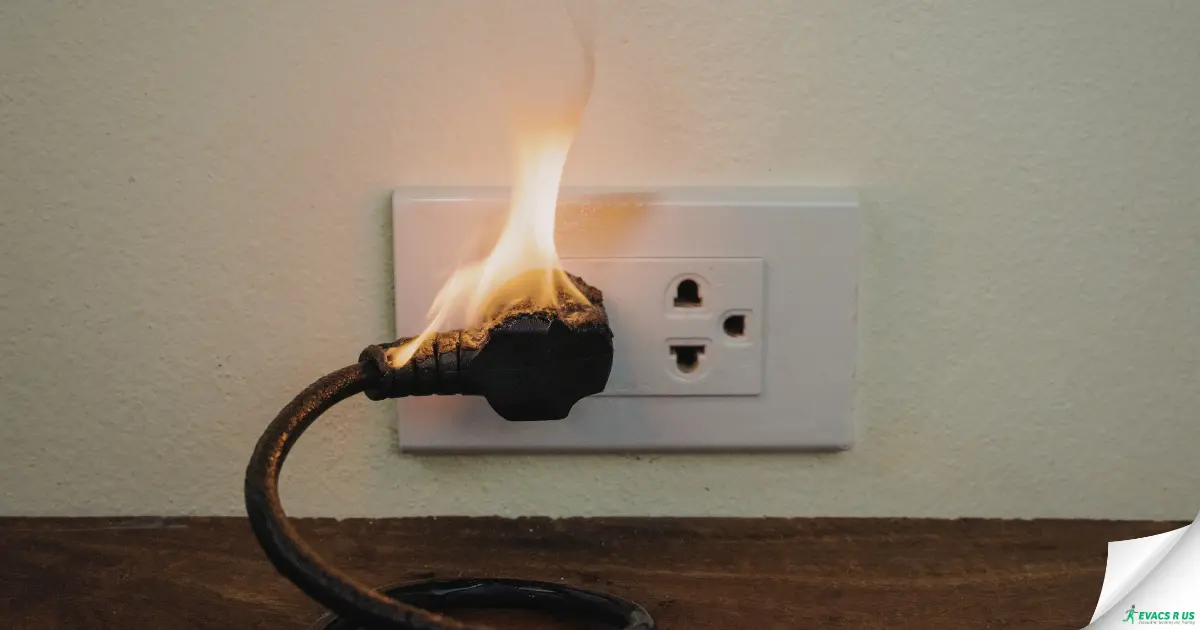
Imagine this: it’s a crisp Tuesday morning in Queenstown, the coffee is brewing, and suddenly, a small electrical fire sparks in the breakroom. Do your staff freeze like a deer in the headlights, or do they move with the confidence of a pro? Having fire extinguishers on the wall is only half the battle; knowing how to use them without causing more chaos is where the real magic happens. At Evacs R Us, we’ve seen that the difference between a minor “whoopsie” and a total site evacuation often comes down to five simple principles. Let’s dive into the five golden rules that make fire extinguisher training actually stick.


Rule 1: Identify Before You Ignite

Not all fires are created equal, and using the wrong extinguisher is like bringing a knife to a gunfight—it’s just not going to end well. Good training teaches your team to instinctively check the label. You wouldn’t throw water on a fat fire in a commercial kitchen in Cromwell, would you? Understanding the difference between Powder, CO2, Wet Chemical and Foam is the foundation of any safe response.


Rule 2: The PTASS Method is Your Best Mate

When the adrenaline hits, your brain tends to go on holiday. That’s why we hammer home the PTASS acronym: Pull the pin, Test the extinguisher, Aim at the base of the fire (not the flames!), Squeeze the handle, and Sweep side to side. It’s a rhythmic, simple sequence that turns panic into a programmed response. If you can’t recite PTASS in your sleep, you aren’t trained yet!


Rule 3: Respect the Reach

A common mistake is getting too close too fast or standing so far back that the suppressant evaporates before it hits the target. Training shows you the “sweet spot”—usually about 1.5 to 2.5 metres back. You need to respect the pressure behind that canister; it’s got a fair bit of kick, and you want to use that force to push the fire away from you, not scatter it around the room like confetti. 


Rule 4: The ‘Fight or Flight’ Assessment

This is the most important rule we teach at Evacs R Us. Before you even touch that red bottle, you must ask: “Can I actually win this?” If the fire is larger than a wastepaper basket or if the smoke is getting thick enough to chew, it’s time to bail. Training gives your team the wisdom to know when to be a fire-fighter and when to be a fast-runner.


Rule 5: Get Hands-On with Live Simulations

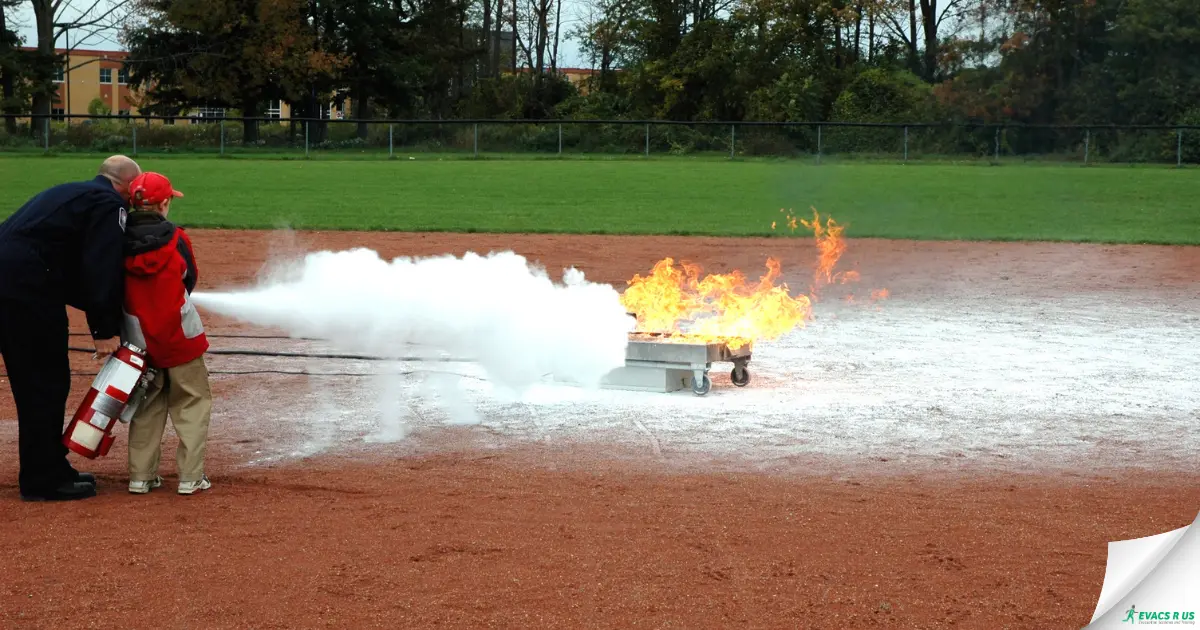
You can’t learn to drive a car by reading a manual, and you certainly can’t master fire safety just via a PowerPoint slide. The golden rule of effective training is muscle memory. We get our trainees in Invercargill and Central Otago to actually feel the weight, pull the pin, and experience the discharge. Once you’ve done it for real in a controlled environment (Virtual Reality), the “real thing” becomes a whole lot less scary.


Is Your Team Ready for the Heat?

Fire safety isn’t just about compliance; it’s about looking after the people who make your business thrive. Whether you’re in the heart of Southland, Queentown or Central Otago, Evacs R Us is here to ensure your team is sharp, skilled, and ready for anything.

Book with us

You can book your course directly online through our online booking system. Simply pick your course, the number of people attending, and the desired dates to book a course time.
Book Fire Suppression Image

Book Fire Suppression

Book Fire Warden Image

Book Fire Warden

Book Fire Warden Image

Book Trial Evacuation

Please take a note: Price is included in your Monthly Maintenance or by arrangement.

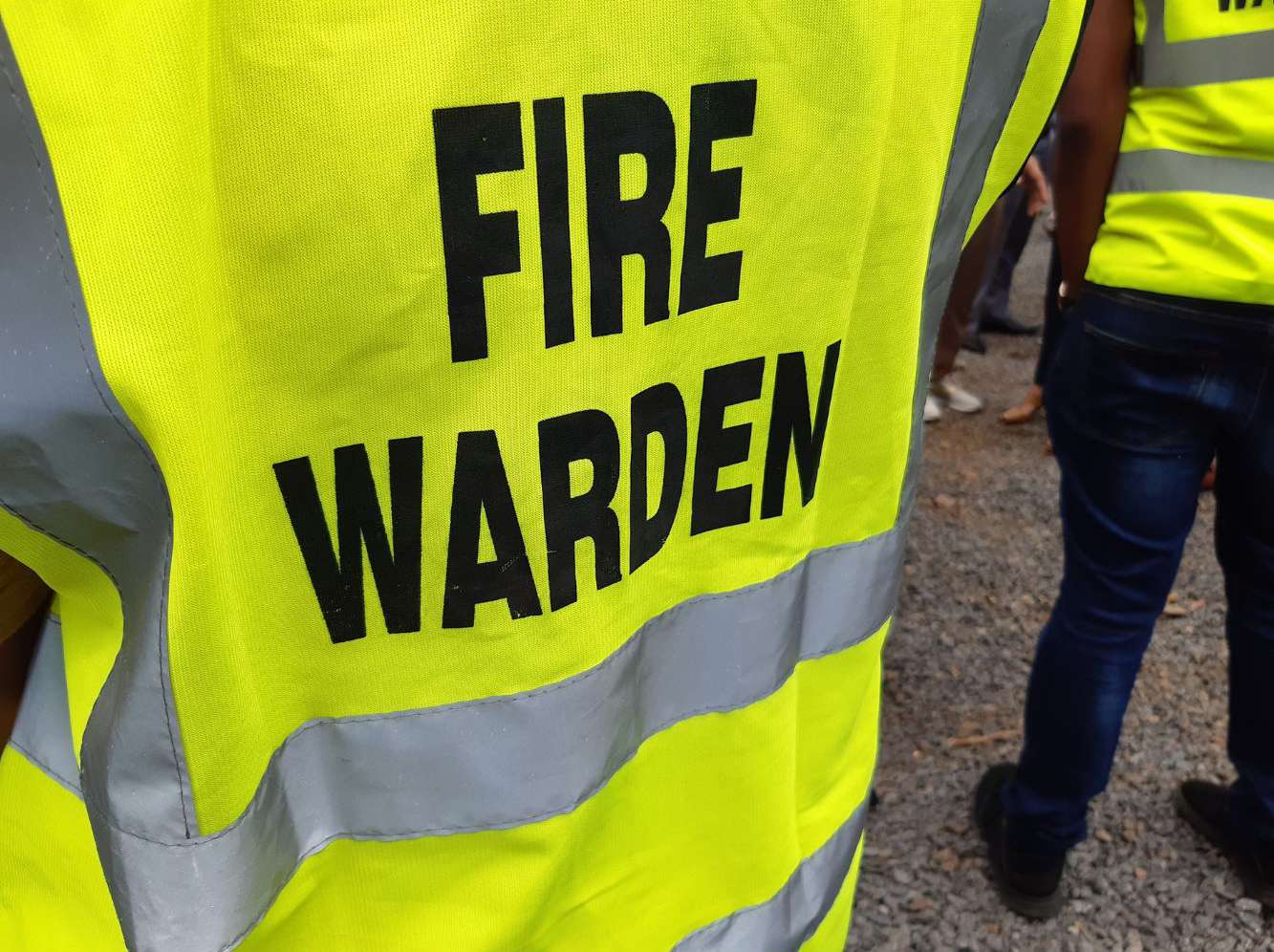
How Often Should You Refresh Your Fire Warden Training?


Whether you’re running a busy hotel in the heart of Queenstown or managing a warehouse in Invercargill, the safety of your team is a massive weight on your shoulders. You’ve got your fire extinguishers serviced and your evacuation schemes sorted, but there’s a nagging question that often gets pushed to the bottom of the “to-do” list: how often do your fire wardens actually need to be trained? Is it a “one-and-done” deal, or should it be as regular as your morning flat white? At Evacs R Us, we’ve seen that the difference between a calm evacuation and total chaos often boils down to how fresh that training is in a warden’s mind.


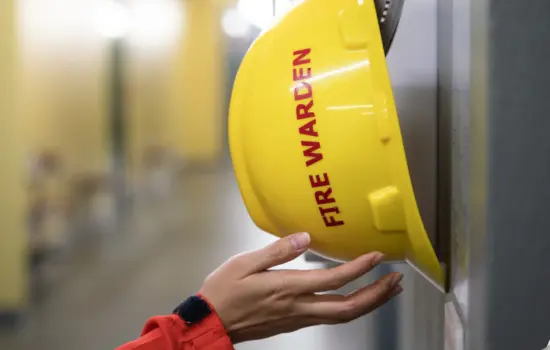
Refresh Fire Warden Training yellow hatThe “One and Done” Myth: Why Training Isn’t a Lifetime Membership

Let’s be real—human memory is a leaky bucket. You might have aced your fire warden course back in 2022, but if an alarm screams today, do you remember the exact sequence of clearing the floor or the specific nuances of your building’s assembly point? Probably not. Training isn’t a certificate you hang on the wall and forget; it’s a perishable skill. Think of it like a professional athlete—they don’t just learn the rules of the game once; they practice every week. Why should life-saving safety skills be any different?


Regulatory Requirements vs. Best Practice in New Zealand

In New Zealand, the Fire and Emergency New Zealand (FENZ) regulations are pretty clear about maintaining a functional evacuation scheme. While the standard “bare minimum” might suggest a two-yearly review, best practice tells a different story. If you’re only checking in on your training every two years, you’re leaving a massive gap for complacency to creep in.


The Six-Month Sweet Spot for Southern Businesses

Here at Evacs R Us, we generally recommend an informal “top-up” or refresher every six months during your fire drill. Why? Because six months is just long enough for people to get comfortable—and comfort is the enemy of safety. A quick, high-impact refresher keeps the adrenaline-mapped pathways of the brain sharp. It ensures that when the smoke starts to roll, your wardens act on instinct rather than hesitation.


The Impact of Seasonal Staff and High Turnover

If half your team changes between the ski season and the summer rush, your fire warden structure can crumble overnight. This is where regular training becomes non-negotiable. You can’t afford to have your only trained warden be a backpacker who hopped on a plane to Bali three weeks ago. In these high-turnover environments, training needs to be a constant pulse, not a yearly event. Are you sure the person holding the clipboard today actually knows where the fire exit leads?


Don’t Wait for the Smoke to Clear

At the end of the day, fire warden training is an investment in your people’s lives. In Invercargill and beyond, we pride ourselves on looking out for our mates. Don’t let your safety standards slide just because “nothing has happened yet.” Keeping your wardens sharp with regular sessions from Evacs R Us, ensuring that if the worst happens, your team is ready to lead. Ready to get your team up to scratch?

Book with us

You can book your course directly online through our online booking system. Simply pick your course, the number of people attending, and the desired dates to book a course time.
Book Fire Suppression Image

Book Fire Suppression

Book Fire Warden Image

Book Fire Warden

Book Fire Warden Image

Book Trial Evacuation

Please take a note: Price is included in your Monthly Maintenance or by arrangement.

Fire Safety Training: Why Local Expertise Matters

When a fire alarm sounds, your team won’t pull out a policy manual and calmly read page three. They’ll react based on what they’ve practised and what they remember. That’s why fire safety training is so important – and why having trainers who actually understand Southland and Central Otago makes a huge difference. It’s not just about ticking a compliance box; it’s about giving your people the skills and confidence to act fast and safely when it matters most.

Fire Safety Training in action central otago and southland


What Is Fire Safety Training (Really) About?

At its core, fire safety training teaches people what to do before, during, and after a fire or emergency. But in real life, it’s much more than a quick PowerPoint or a once-a-year drill. Good training helps your team recognise risks, respond calmly under pressure, and support each other so everyone has the best chance of getting out safely.

From Compliance To Confidence

Yes, regulations and responsibilities matter – especially for New Zealand businesses with staff, customers, and contractors on site. But if your people walk away thinking, “That was boring, I didn’t really learn anything,” the training has failed. Effective fire safety training turns rules into real-world actions: how to raise the alarm, when (and when not) to use an extinguisher, how to help visitors, and how to evacuate without chaos.

Key Topics Covered In Quality Training

Strong fire safety training usually includes:

  • How fires start and spread in your type of workplace
  • How to spot hazards before they become incidents
  • What to do when the alarm sounds
  • How to use fire extinguishers and other equipment safely
  • Roles and responsibilities during an evacuation 

Done well, it feels practical and relevant – not like generic “one-size-fits-no-one” content.


Why Local Expertise Makes A Real Difference

So why does local expertise matter so much? Because a workshop in Invercargill, a café in Clyde, and a packhouse near Cromwell don’t have the same risks – and your training shouldn’t pretend they do.

Understanding Local Buildings And Industries

A trainer who works regularly across Southland and Central Otago understands the mix of sites in the region: rural sheds, industrial workshops, logistics depots, schools, healthcare, tourism, and professional offices. They know what can go wrong in each environment – from flammable materials in a farm workshop to sleeping occupants in accommodation or mobility challenges in care settings – and they can tailor examples and scenarios to match.

Southland & Central Otago Conditions

Then there’s the local environment: cold, dark winter mornings, high winds, icy car parks, and sometimes long distances for emergency services to travel. Older buildings, add-ons, and repurposed spaces can create quirky layouts and hidden risks. Seasonal staff and tourists may not know the site at all. Local trainers build those realities into your fire safety training so your plan works on a frosty July morning, not just on a sunny training day.

Aligning Training With Your Evacuation Scheme

Your fire evacuation scheme and your fire safety training should work together like a matched pair. Local specialists can review your scheme, walk your site, and then run training that uses your actual exits, equipment, and assembly areas. That way, your team practises exactly what they’ll do if the alarm goes off for real.


What Effective Fire Safety Training Looks Like

Hands-On, Scenario-Based Learning

The best fire safety training feels practical, not theoretical. Staff should have the chance (where appropriate) to see how extinguishers work, walk the evacuation routes, and work through “what if” scenarios based on your actual site. Instead of lectures, they get conversations: “What would you do if the fire was in this area?” “How would you help a customer in a wheelchair?”

Common Gaps Training Can Fix

Local training can quickly fix issues like:

  • New or casual staff who’ve never had a proper briefing
  • People unsure about who the fire wardens are
  • Confusion about which assembly area to use
  • Staff who have never practised using an extinguisher 

These gaps seem small – until the day you discover they really matter.


Get Local Support For Your Fire Safety Training

How We Work With Southland & Central Otago Businesses

Working with a local fire training specialist means you get more than a “standard” course. We visit your site, understand your layout and risks, review your evacuation scheme, and then design training that fits your people, your industry, and your schedule. We can support businesses with initial training, refresher sessions, warden training, and realistic drills that build confidence over time.

Ready To Build A Safer, More Confident Team?

Fire safety training isn’t just another task on a compliance checklist – it’s one of the most practical ways to protect your people and your business. If you’re not sure how effective your current training is, or you’ve had staff changes, now is the perfect time to review it. Get in touch with our local team in Southland and Central Otago, and let’s create fire safety training that feels real, relevant, and ready for the moment your people need it most.

Book with us

You can book your course directly online through our online booking system. Simply pick your course, the number of people attending, and the desired dates to book a course time.
Book Fire Suppression Image

Book Fire Suppression

Book Fire Warden Image

Book Fire Warden

Book Fire Warden Image

Book Trial Evacuation

Please take a note: Price is included in your Monthly Maintenance or by arrangement.

Fire Evacuation Scheme: Turning Paper Plans Into Real-World Safety

If a fire broke out at your workplace right now, would everyone actually know what to do — or would people look at each other and freeze? That’s the real test of a fire evacuation scheme. It’s not just a document for the file or something you tick off for compliance; it’s the playbook that helps your team get out safely when things go wrong, especially across Southland and Central Otago where weather, distance, and older buildings can all add extra layers of risk.

fire evacuation scheme_ map


What Is A Fire Evacuation Scheme?

In simple terms, a fire evacuation scheme sets out exactly how people will get out of your building in an emergency, who does what, and how you make sure the process works in real life. It connects your building layout, your fire equipment, and your people into one clear plan. In New Zealand, many buildings are required to have an approved evacuation scheme, but even if you’re not strictly required, having a solid plan is just good sense — and good business.

More Than A Floor Plan On The Wall

A lot of businesses think, “We’ve got a diagram by the door, we’re sorted.” But a real evacuation scheme goes further. It considers behaviour under stress, visitors who don’t know the building, after-hours staff, and people who might need extra help. It answers questions like: Who checks bathrooms? Who calls 111? Who makes sure nobody goes back inside for their laptop?

Key Elements Of A Strong Scheme

A practical scheme usually covers:

  • Clear, well-marked escape routes
  • Defined roles (like fire wardens and controllers)
  • Communication steps — alarms, roll calls, emergency services
  • How you manage special risks like chemicals, workshops, or machinery

Done well, it’s like a team game plan: everyone knows their position before the whistle blows.


Building A Practical Fire Evacuation Scheme

A good evacuation scheme starts with your actual site, not a generic template.

Understand Your Building And Your People

You’ve got different risks if you’re running a busy retail space in Alexandra compared to a workshop near Invercargill or a vineyard shed out in Central Otago. How many people are on-site? Do you have seasonal staff? Contractors? Customers who come and go? Your scheme should reflect real headcounts, real shift patterns, and real movement through the building.

Southland & Central Otago Realities

Local conditions matter. Strong winds, icy mornings, dark winter evenings, and remote locations can all affect how quickly people can get to a safe assembly point. Rural sites might need clearer directions for emergency services. Mixed-use sites — offices plus warehouse, workshop plus showroom — often need more than one evacuation route and assembly area.

Map Clear Escape Routes And Assembly Points

Think about how people actually move, not how you wish they moved. Are there bottlenecks at a single staircase? Does everyone naturally head for the main entrance, even if there are safer exits? Your scheme should show simple, direct routes and safe assembly areas that are far enough away from the building, vehicle access, and any tanks or cylinders.

Train, Drill, Review, Improve

A scheme on paper is just ink. Training and drills turn it into muscle memory. Regular fire drills, short toolbox talks, and quick refreshers for new staff keep the plan alive. After each drill, ask: what worked, what didn’t, and what do we need to tweak?


Common Gaps We See In Local Fire Evacuation Schemes

Outdated Or Generic Plans

Many businesses inherit old plans or download a template that doesn’t quite fit the building. Over time, walls move, layouts change, and new equipment arrives, but the scheme never gets updated. That’s when confusion creeps in.

Staff Who Don’t Know Their Role

If your fire wardens have left, changed roles, or never had proper training, your scheme becomes a guessing game. Everyone assumes “someone else” will take charge — and that’s the last thing you want in a real emergency.


Get Local Help With Your Fire Evacuation Scheme

How We Support Southland & Central Otago Businesses

A local fire training and evacuation specialist can walk your site with you, review your existing scheme, and turn it into something that actually works for your building and your people. That might include updating diagrams, clarifying roles, running staff training, and planning realistic drills that fit your operation, not disrupt it.

Ready To Make Your Scheme Work In Real Life?

A fire evacuation scheme only works when it’s tailored, up to date, and understood by everyone on site. If you’re unsure whether your current plan would hold up in a real emergency, we’re here to help. Our local team supports Southland and Central Otago businesses with practical reviews and training that make evacuation steps second nature. Reach out today and let’s build a safer, more confident workplace together — starting with a plan your people can trust.

Book with us

You can book your course directly online through our online booking system. Simply pick your course, the number of people attending, and the desired dates to book a course time.
Book Fire Suppression Image

Book Fire Suppression

Book Fire Warden Image

Book Fire Warden

Book Fire Warden Image

Book Trial Evacuation

Please take a note: Price is included in your Monthly Maintenance or by arrangement.

Passive Fire Protection: The Silent Safety System Every Business Needs

When people think “fire safety,” they usually picture alarms, extinguishers, or sprinklers doing the heavy lifting. But the real hero in most fire emergencies is something far less noticeable: passive fire protection. It’s the built-in structure of your building quietly working 24/7 to slow down a fire, protect escape routes, and keep people safe.

passive fire protection system


What Passive Fire Protection Actually Is

Passive fire protection is everything built into your walls, ceilings, doors, and floors that helps contain fire and smoke. Unlike alarms and sprinklers that “activate,” passive features are always working in the background — like a safety net you hope you never need, but absolutely want in place.

Active vs Passive Fire Systems

Active systems warn you, spray water, or help you fight the fire. Passive systems divide your building into fire-resistant compartments that slow down fire long enough for people to evacuate. Think of it like rugby: active systems are the players who run and tackle, but the passive systems are the strong defensive line that stops danger from breaking through.

Why Passive Protection Matters in a Real Emergency

In a real fire, people don’t evacuate in a calm, tidy line. There’s panic, confusion, and smoke. Passive fire protection keeps key areas safe for longer — giving everyone precious time to escape.


Key Passive Fire Protection Features in Your Building

Most buildings in Southland and Central Otago already have passive fire features installed, but even small changes or DIY jobs can weaken them without anyone noticing.

Fire-Rated Walls & Ceilings

These create “fire cells” that hold back flames and smoke. If a fire starts in one area, fire cells stop it spreading instantly through your site. They buy critical minutes — and minutes matter.

Hidden Gaps & Penetrations

Every cable, pipe, or service that passes through a wall or ceiling creates a potential weak point. If penetrations aren’t properly sealed with certified fire-stopping products, smoke and heat can travel like water through a crack. Many businesses only discover these issues during a compliance audit — or worse, after an incident.

Fire & Smoke Doors

These doors protect corridors and escape routes. But if they’re wedged open, damaged, or not latching properly, they can’t hold back smoke. A single door left open can turn a safe exit into a dangerous trap.


How Passive Fire Protection Supports Your Evacuation Scheme

A great evacuation plan relies on one thing: time. And passive fire protection is what gives you that time.

Protecting Escape Routes

Clear, smoke-free escape routes are essential. Passive fire systems help keep paths usable long enough for staff, visitors, and contractors to get out safely — even under pressure.

Compliance & Insurance Risks

If fire doors don’t close, walls are unsealed, or passive systems are altered without approval, you may face serious compliance issues. Insurers can ask tough questions after an incident. Good passive protection reduces risk and strengthens your safety record.


Get Local Support in Southland & Central Otago

You don’t have to figure all this out alone. A local fire specialist can walk your site, explain what’s working, spot risks, and help you link your passive fire features directly to your evacuation scheme.

Practical On-Site Reviews

We can help local businesses to:

  • Review fire cells, doors, penetrations, and escape routes
  • Identify compliance gaps
  • Strengthen the link between building design and evacuation planning
  • Prioritise fixes based on real-world risk 

Contact Us

If you’re unsure whether your Evacuation scheme and passive fire protection is actually doing its job, let’s take a look together. Book a site review and get clear, practical guidance — tailored to Southland and Central Otago buildings — so your people stay safe when it matters most.

Book with us

You can book your course directly online through our online booking system. Simply pick your course, the number of people attending, and the desired dates to book a course time.
Book Fire Suppression Image

Book Fire Suppression

Book Fire Warden Image

Book Fire Warden

Book Fire Warden Image

Book Trial Evacuation

Please take a note: Price is included in your Monthly Maintenance or by arrangement.

Avoid the Fines (and the Fires): Fire Compliance Tips

Fire compliance can feel like a maze of rules, acronyms, and paperwork… until there’s an emergency. Then it suddenly becomes very real. If you run a business in Southland or Central Otago, fire safety isn’t just a box to tick for the compliance file – it’s about making sure your people, your customers, and your livelihood are protected when something goes wrong.

fire compliance itens


Why Fire Compliance Matters More Than You Think

Legal responsibilities in New Zealand

In New Zealand, business owners and building owners have clear duties when it comes to keeping people safe. Fire safety requirements sit across things like the Building Code, fire evacuation scheme rules, and health and safety obligations. In simple terms: you’re expected to have a plan, train your people, maintain your gear, and make sure everyone can get out safely if there’s a fire.

It’s not enough to say “we’ve never had a fire before”. Compliance is about being ready before anything happens – because in a real emergency, there’s no time to read a policy or Google what to do.

Real risks

From Invercargill and Gore to Queenstown, Cromwell, Alexandra, and all the towns in between, local businesses face their own mix of risks. Older buildings, mixed-use sites, seasonal staff, and high visitor numbers can all make evacuation more complex. Add in cold winters with heaters, workshops with flammables, and busy warehouses, and it’s easy to see how quickly things can go wrong.

Fire compliance is your safety net. It’s what turns chaos into calm, and confusion into clear action when the alarm sounds.


What Fire Compliance Actually Involves

Fire evacuation schemes and drills

A good fire evacuation scheme is more than a floor plan stuck on a wall. It explains who does what, where people go, and how everyone is accounted for. Regular fire drills are how you test that plan in real life – not to embarrass anyone, but to uncover gaps while you still have time to fix them.

Think of drills as rehearsals. The first one might feel clunky, but over time people become more confident and faster to respond. That confidence can save lives.

Training your team – not just ticking boxes

The best equipment in the world is useless if your team doesn’t know how to use it or what to do in an emergency. Fire training should be practical, simple, and relevant to your site. Who raises the alarm? Who checks the bathrooms? Who helps visitors or vulnerable people?

When training is done well, your people don’t just know the theory – they feel ready. They know where to go, who to follow, and what not to do (like running back inside for their phone).

Equipment, signage, and emergency lighting basics

From extinguishers and hose reels to exit signs and emergency lights, your physical setup is a huge part of fire compliance. Gear needs to be correctly placed, clearly signed, and regularly checked. In a smoky corridor or power cut, those glowing exit signs and emergency lights guide people out safely.

If you’ve inherited an older building, or you’re not sure if everything is up to standard, that’s a sign to get it reviewed – not something to ignore.


Turning Fire Compliance Into a Simple, Ongoing Habit

Common mistakes local businesses make

Many Southland and Central Otago businesses fall into the same traps:

  • Only doing drills when someone remembers
  • Assuming staff “will know what to do”
  • Letting training slide when staff change
  • Filing the evacuation scheme away and never revisiting it

Fire compliance isn’t a one-off task. It’s more like vehicle servicing – if you stop maintaining it, things slowly stop working the way they should.

How a local fire specialist can help

Working with a local fire training and evacuation specialist means you don’t have to figure it all out alone. They understand regional risks, local building types, and what regulators expect. They can walk through your site, spot gaps, and help turn “we hope we’re compliant” into “we know we’re ready”.

If you’re based in Southland or Central Otago, having someone nearby to visit your site, run drills, and help review your evacuation scheme makes the whole process easier and far less stressful.

What to do next if you’re unsure

Simple steps to check if you’re on track

Ask yourself:

  • Do we have a current fire evacuation scheme that reflects our site today?
  • When was our last drill, and did we record it?
  • Has every staff member had recent, practical fire training?
  • Are our exits, signage, and emergency lights maintained and clearly visible?

If you’re unsure about any of these, it’s time for a review.

How often should you review your fire compliance?

A general rule: review fire compliance at least once a year, and anytime something changes in your building layout, staff numbers, or equipment. Even small changes can affect how safe your evacuation process is.


Don’t Leave Fire Compliance to Chance


Fire compliance isn’t just about meeting regulations — it’s about protecting the people who keep your business running. If you’re unsure where your building stands or simply want expert guidance, we’re here to help. As your local Southland and Central Otago fire specialists, we make the hard stuff simple. If you’re ready for clarity and peace of mind, contact us today — we’ll walk your site, answer your questions, and make sure you’re fully prepared.

Book with us

You can book your course directly online through our online booking system. Simply pick your course, the number of people attending, and the desired dates to book a course time.
Book Fire Suppression Image

Book Fire Suppression

Book Fire Warden Image

Book Fire Warden

Book Fire Warden Image

Book Trial Evacuation

Please take a note: Price is included in your Monthly Maintenance or by arrangement.

Don’t Risk It: The Correct Extinguisher for Electrical Fires in NZ

Electrical fires are sneaky, fast, and unforgiving. One tiny spark behind a wall or inside a machine can turn into a dangerous blaze in seconds. And for Southland and Central Otago businesses—whether you’re running a café in Clyde, a workshop in Invercargill, or a commercial site in Cromwell—knowing how to control an electrical fire could be the difference between a close call and a major disaster.

So let’s break it all down clearly, simply, and in a way that helps you protect your people and your business.

electrical fire extinguisher


Why Electrical Fires Are Different

Electrical fires aren’t like regular fires. You can’t throw water on them… unless you want to make the situation worse. Electricity changes the rules. That’s why choosing the right fire extinguisher isn’t optional—it’s essential.

Common Causes of Electrical Fires in Local Workplaces

Most electrical fires start from everyday issues you might not even notice:

  • Overloaded power boards
  • Dust build-up inside appliances
  • Faulty wiring in older buildings
  • Overheated machinery, damaged extension leads

Pretty relatable, right? Every business has at least one of these lurking somewhere.

Signs Your Electrical System May Be Unsafe

If you spot any of these, take action:

  • Flickering lights
  • Burning or “hot plastic” smells
  • Outlets warm to the touch
  • Frequent breaker trips

Think of it as your building trying to tell you something before things escalate.


What Type of Fire Extinguisher Do You Need for Electrical Fires?

In New Zealand, we follow a simple rule: use an extinguisher rated for a class E fire (Class E = Electrical). If it’s not rated for electrical equipment, don’t touch it.

Why the Dry Chemical Extinguisher Is the Go-To Option

For most workplaces, a Dry Chemical Powder (DCP) extinguisher is the safest, most effective choice. Here’s why:

  • It works on electrical fires AND flammable liquids
  • It knocks down flames fast
  • It’s widely available and affordable
  • It’s perfect for workshops, offices, retail stores, and industrial sites

If you’re only going to have one extinguisher type, make it this one.

CO₂ Extinguishers: When They’re Useful

CO₂ extinguishers are brilliant for:

  • Computer rooms
  • Server cabinets
  • Sensitive electronics
  • Kitchens using electric appliances

They leave no residue, which means no messy cleanup or damaged equipment. But they’re not ideal outdoors, as the gas blows away quickly.


How to Use an Electrical Fire Extinguisher Safely

Even the best extinguisher won’t help if no one knows how to use it. That’s why fire training matters—your team needs the confidence to act quickly and safely.

The PASS Method Made Simple

Here’s the easiest way to remember how to use one:

  • T – Pull the safety pin
  • A – Aim at the base of the fire
  • S – Squeeze the handle
  • S – Sweep side to side

Think of it like wiping crumbs off the bench—smooth, steady, and controlled.

When NOT to Fight a Fire

This part is crucial. NEVER try to put out a fire if:

  • The flames are spreading rapidly
  • The Evacuation has not been actioned
  • Smoke is filling the room
  • You’re unsure what’s burning
  • You feel unsafe for even a second

Your safety comes first. Evacuate immediately and call 111.


Knowing how to choose and use an electrical fire extinguisher is one of the simplest ways to increase workplace safety—and reduce risk for your team and your business. Whether you run a small operation in Arrowtown or a busy site in Southland, having the right extinguisher (and the right training) means being prepared when it matters most.

If you’re unsure what type of extinguishers you need—or whether your current setup is compliant—we can help. Our local team supports Southland and Central Otago businesses with practical fire training, evacuation planning, and building-wide safety checks.

Staying safe starts with the right knowledge… and the right support.

Book with us

You can book your course directly online through our online booking system. Simply pick your course, the number of people attending, and the desired dates to book a course time.
Book Fire Suppression Image

Book Fire Suppression

Book Fire Warden Image

Book Fire Warden

Book Fire Warden Image

Book Trial Evacuation

Please take a note: Price is included in your Monthly Maintenance or by arrangement.

Emergency Lighting in Southland & Central Otago: Is Your Business Truly Ready?

When the power cuts out in the middle of the working day, what actually happens in your building? Do people calmly follow the glowing exit signs… or freeze in dark corridors, unsure where to go?

Emergency lighting is one of those things you don’t notice when it’s working – but you’ll definitely notice when it’s not. For businesses across Southland and Central Otago, reliable emergency lighting is a critical part of your fire safety and evacuation planning, not just a box to tick.

running man emergency light


Why Emergency Lighting Matters More Than You Think

When the Lights Go Out – What Actually Happens?

If the power goes out in an emergency, people instantly lose visual cues – doors, stairs, obstacles, and exit routes all become harder to see. That’s when panic, bottlenecks, and injuries can happen.

Emergency lighting gives you precious clarity in those first few moments. It keeps escape routes visible, highlights exits, and helps staff, customers, and visitors move to safety quickly. Think of it as your building’s “backup vision” – when everything else goes dark, it guides people out.

Legal and Safety Expectations in New Zealand Workplaces

In Aotearoa, businesses have a duty of care to provide a safe workplace. That includes having a clear evacuation plan and the right life-safety systems in place – emergency lighting can be a key part of that.

If your building is used by the public, has multiple levels, or relies on internal corridors and stairwells, emergency lighting isn’t just nice to have; it’s essential. Beyond compliance, it’s about being able to look your team in the eye and confidently say, “If something goes wrong, we’re ready.”


Key Types of Emergency Lighting (And Where You Need Them)

Exit Signs vs Emergency Lights – What’s the Difference?

A lot of people mix these up, but they do different jobs.

  • Exit signs show where to go.
  • Emergency lights help you see the path.

Exit signs are those illuminated green signs with arrows or the “running man.” Emergency lights, on the other hand, switch on during a power cut to light your escape routes. You need both: signs to show direction, lights to make escape safe.

High-Risk Areas

Not every corner of your site carries the same level of risk. Your IQP will be able to ensure you are compliant – especially in an emergency.

Stairwells, Corridors, and Assembly Points

Stairwells should be non-negotiable. A dark stairwell could be a broken ankle waiting to happen.

Long internal corridors, warehouse aisles, plant rooms, and toilet blocks also need reliable emergency lighting. Don’t forget external exit paths leading to your assembly point — people need visibility from inside all the way out.

For Southland and Central Otago, where early winter darkness and rough weather are common, strong external emergency lighting is a major safety advantage.


Keeping Your Emergency Lighting Compliant and Reliable

Regular Testing, Maintenance, and Records

Emergency lighting isn’t “set and forget.” Batteries fail. Fittings get damaged. Layouts change.

Regular testing is crucial to ensure everything works when it’s needed most. This usually includes:

  • Quick functional tests
  • Full duration tests
  • Clear records of checks and maintenance

These will be checks that your IQP will do as part of the BWOF process — that small bit of effort now can prevents major issues later.

How Emergency Lighting Fits Into Your Fire Drills & Evacuation Scheme

Emergency lighting is part of your wider evacuation plan. During your fire drills,

emergency lighting won’t activate maybe ask your provider to, simulate a power cut and walk the escape route:

  • Are there any dark spots?
  • Are exits clearly visible?
  • Would a new staff member know where to go?

When lighting, signage, and evacuation training work together, evacuation becomes smooth, safe, and predictable — not chaotic.


Need Help? Work With Local Fire Safety Specialists

Unsure if your emergency lighting is up to standard? Many business owners inherit old systems and just hope they’ll work in an emergency — but hope isn’t a safety strategy.

That’s where a trusted local specialist like Evacs R Us makes a real difference. We have relationships with other local companies and can recommend/refer the appropriate fit for your business.

Evacs R Us in collaboration with other professionals supports businesses across Southland and Central Otago to:

  • Review and assess their current emergency lighting
  • Identify compliance issues or gaps
  • Align lighting with fire drills and evacuation schemes
  • Improve visibility, escape routes, and overall site safety

If you want a practical, plain-English walkthrough of your building — room by room, exit by exit — get in touch with Evacs R Us. Their experienced team will help you make confident, compliant decisions so your people aren’t left in the dark when it matters most.

Book with us

You can book your course directly online through our online booking system. Simply pick your course, the number of people attending, and the desired dates to book a course time.
Book Fire Suppression Image

Book Fire Suppression

Book Fire Warden Image

Book Fire Warden

Book Fire Warden Image

Book Trial Evacuation

Please take a note: Price is included in your Monthly Maintenance or by arrangement.

Can I Light a Fire?

FIRE SEASON STATUS NZ dial

Understanding Fire Safety in New Zealand

Lighting a fire might seem like a simple thing, but in New Zealand, it’s not always as straightforward as it sounds. Whether you’re planning to light a campfire or start a barbecue in your backyard, it’s crucial to understand when and where it’s safe and legal to do so. Fire regulations are in place to keep everyone safe, and it’s important to stay informed to avoid fines or worse, accidental fires.

Legal Regulations for Lighting Fires

Before you grab that match, ask yourself, “Can I light a fire?” New Zealand has specific fire regulations that must be followed. In some cases, you’ll need a fire permit, especially in rural or high-risk areas. If you’re unsure, always check. Fire restrictions are often based on weather conditions, so even if you’re in a legal zone today, that could change tomorrow.

Fire Permits: Do You Need One?

In many areas, you’ll need a fire permit. This applies especially in rural zones or places with dense vegetation. Want to know more about how to get one? Check the FENZ website. For your safety and the safety of others, always get the proper permissions before lighting a fire. Permits will come with conditions; read and understand these conditions. Even with a fire permit, you are legally and potentially financially liable to cover all costs of extinguishment if the fire becomes uncontrolled.

Fire Ban Areas: Know Before You Go

Certain areas of New Zealand are frequently placed under fire bans (some areas are permanently prohibited from fire activity) during the dry months, and for good reason. These bans help prevent the devastating effects of uncontrolled fires, protecting not only properties but also wildlife and the environment. Fires can quickly get out of control, especially in high-risk areas, so when you’re in a prohibited area, lighting a fire is simply not an option—no exceptions. It’s crucial to stay informed about the current fire season in your area before you even think about striking a match. Always double-check before lighting up to keep yourself, your property, and the beautiful natural surroundings safe.

When Is It Safe to Light a Fire?

It’s not just about rules—it’s about the right conditions. To avoid creating a dangerous situation, consider the following factors:

  • Weather: Dry and windy conditions can turn a small flame into a massive fire. Always check the weather forecast before lighting up.
  • Location: Stay clear of areas with lots of dry grass or trees. A simple breeze could make your fire go out of control.

It’s always best to consult Fire Emergency NZ. If you’re unsure whether it’s safe to light a fire, visit Check It’s Alright for up-to-date advice on local fire risks and permits.

What to Do in Case of an Emergency

If your fire starts to spread, stay calm. Immediately call emergency services and follow their instructions. Don’t leave a fire unattended—always ensure it’s completely extinguished before walking away.

Can You Light a Fire?

So, can you light a fire? It depends on where you are and what the current fire conditions are. But don’t leave it to chance. Always check your local fire regulations before lighting a match.

Get all the info you need from Check It’s Alright to make sure you’re acting safely and responsibly. Stay safe, stay informed, and let’s keep New Zealand’s beautiful landscapes protected.

Book with us

You can book your course directly online through our online booking system. Simply pick your course, the number of people attending, and the desired dates to book a course time.
Book Fire Suppression Image

Book Fire Suppression

Book Fire Warden Image

Book Fire Warden

Book Fire Warden Image

Book Trial Evacuation

Please take a note: Price is included in your Monthly Maintenance or by arrangement.

What is fire safety training?

Woman completing fire training

Fire safety is a critical aspect of workplace health and safety, and one of the most effective ways to ensure that your business is prepared for a fire emergency is through comprehensive fire and safety training. In New Zealand, businesses are increasingly recognising the importance of this training as part of their overall safety protocols. But what exactly does training involve, and why is it essential for your business? This article will explore the key components of fire safety training and its benefits.

So, What Is Fire and Safety Training?

Fire and safety training is a structured program designed to educate employees about fire prevention, emergency response, and evacuation procedures. This training equips your team with the knowledge and skills they need to act quickly and effectively in the event of a fire, minimising risks to life and property.

In New Zealand, training is not just a best practice; for many businesses, it’s a legal requirement under the Fire and Emergency New Zealand (FENZ) Act 2017. Whether you run a small office or a large industrial facility, providing fire safety training can help ensure compliance with safety regulations and enhance overall workplace safety.

Key Components of Fire and Safety Training

A comprehensive fire safety training program typically covers several key areas:

1. Fire Prevention

The best way to deal with a fire is to prevent it from happening in the first place. Fire safety training educates employees on identifying potential fire hazards in the workplace, such as faulty electrical equipment, improper storage of flammable materials, and poor housekeeping practices. By understanding these risks, employees can take proactive steps to reduce the likelihood of a fire starting.

2. Emergency Response Procedures

In the event of a fire, knowing how to respond quickly and correctly is crucial. Fire safety training includes instruction on emergency response procedures, such as raising the alarm, using fire extinguishers, and assisting others in evacuating the building. Employees learn the importance of staying calm and following the established protocols to ensure a safe and orderly evacuation.

3. Evacuation Drills

Evacuation drills are an essential part of fire safety training. These drills simulate a real fire emergency, allowing employees to practise evacuating the building and reaching designated assembly points. Regular drills help reinforce the training and ensure that everyone knows what to do and where to go in an emergency.

4. Use of Fire Safety Equipment

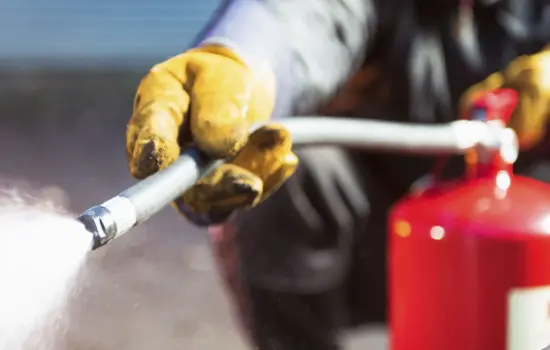
Training also includes hands-on instruction on using fire safety equipment, such as fire extinguishers, fire blankets, and alarm systems. Employees learn which types of extinguishers to use for different types of fires (e.g., electrical, chemical, or grease fires) and how to operate them effectively.

5. Understanding Fire Safety Signage

Fire safety signs are crucial for guiding people during an emergency. Training covers the different types of fire safety signage, including exit signs, fire extinguisher locations, and assembly point markers. Understanding these signs ensures that employees can navigate safely and efficiently during an evacuation.

6. Roles and Responsibilities

In larger businesses, certain employees may be designated as fire wardens or safety officers. Fire safety training includes specific instruction for these roles, such as overseeing the evacuation process, conducting headcounts, and liaising with emergency services. Clear roles and responsibilities help ensure that the evacuation process is well-coordinated and effective.

Why Is it Essential?

There are several reasons why fire safety training is essential for businesses in New Zealand:

1. Protecting Lives

The primary goal of fire safety training is to protect the lives of employees, customers, and visitors. By equipping your team with the knowledge and skills to respond effectively to a fire, you can significantly reduce the risk of injury or loss of life.

2. Minimising Property Damage

A well-trained workforce can take quick action to control a small fire before it spreads, potentially saving your business from extensive property damage. Knowing how to use fire extinguishers correctly and when to evacuate can make a significant difference in minimising fire damage.

3. Ensuring Compliance

In New Zealand, businesses must comply with fire safety regulations, which often include requirements for fire safety training. Failure to meet these requirements can result in fines, legal action, and increased insurance premiums. Regular training helps ensure that your business meets all legal obligations.

4. Promoting a Safety Culture

Fire safety training promotes a culture of safety within your organisation. When employees understand the importance of fire safety and know how to respond in an emergency, they are more likely to take safety seriously in other aspects of their work as well. This can lead to a safer, more responsible workplace overall.

How Often Should Fire and Safety Training Be Conducted?

The frequency of fire safety training depends on several factors, including the size and nature of your business. However, it’s generally recommended that fire safety training be conducted at least annually, with additional sessions for new employees or when significant changes occur in the workplace, such as renovations or the introduction of new equipment.

Regular training ensures that the information remains fresh in employees’ minds and that everyone is up-to-date with the latest safety protocols.

Fire and safety training is a vital investment in the safety and well-being of your employees and your business. By providing comprehensive training on fire prevention, emergency response, and the proper use of fire safety equipment, you can create a safer workplace and ensure compliance with New Zealand’s fire safety regulations.

Whether your business operates in a low-risk office environment or a high-risk industrial setting, fire safety training is essential to protecting lives and property. Partnering with a fire protection specialist can help you develop and deliver an effective training program tailored to your specific needs.

Book with us

You can book your course directly online through our online booking system. Simply pick your course, the number of people attending, and the desired dates to book a course time.
Book Fire Suppression Image

Book Fire Suppression

Book Fire Warden Image

Book Fire Warden

Book Fire Warden Image

Book Trial Evacuation

Please take a note: Price is included in your Monthly Maintenance or by arrangement.